
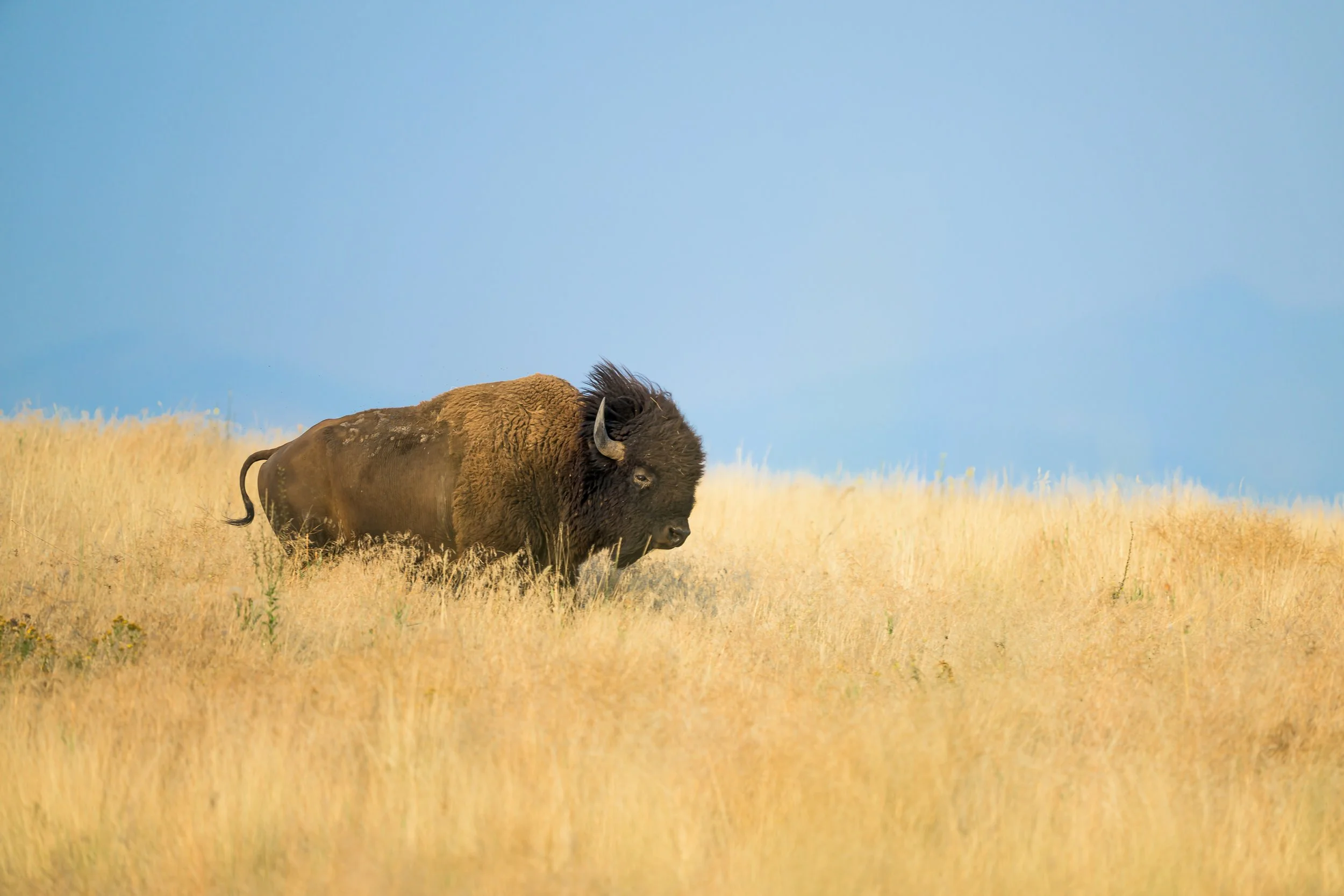
Bison and Badlands
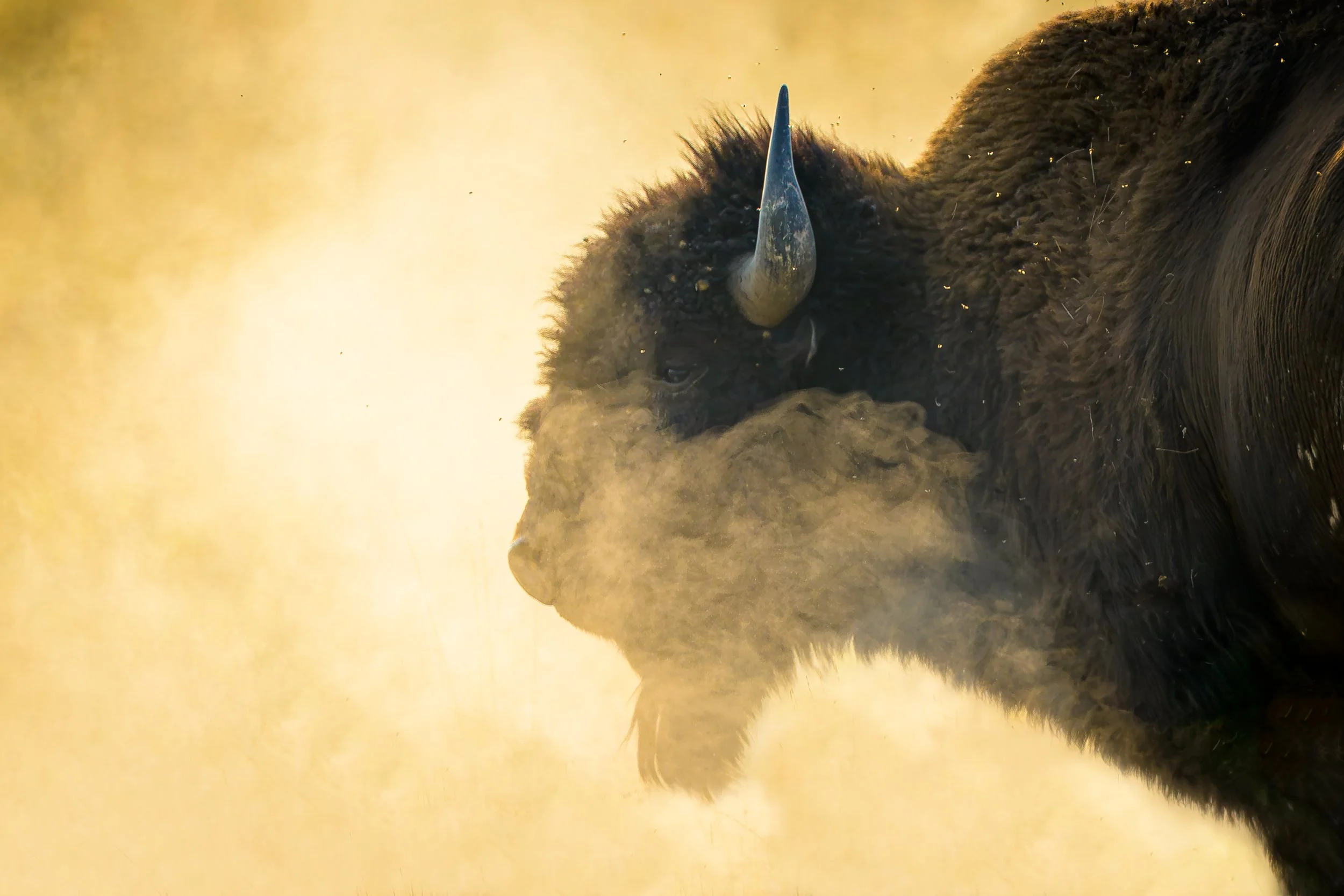
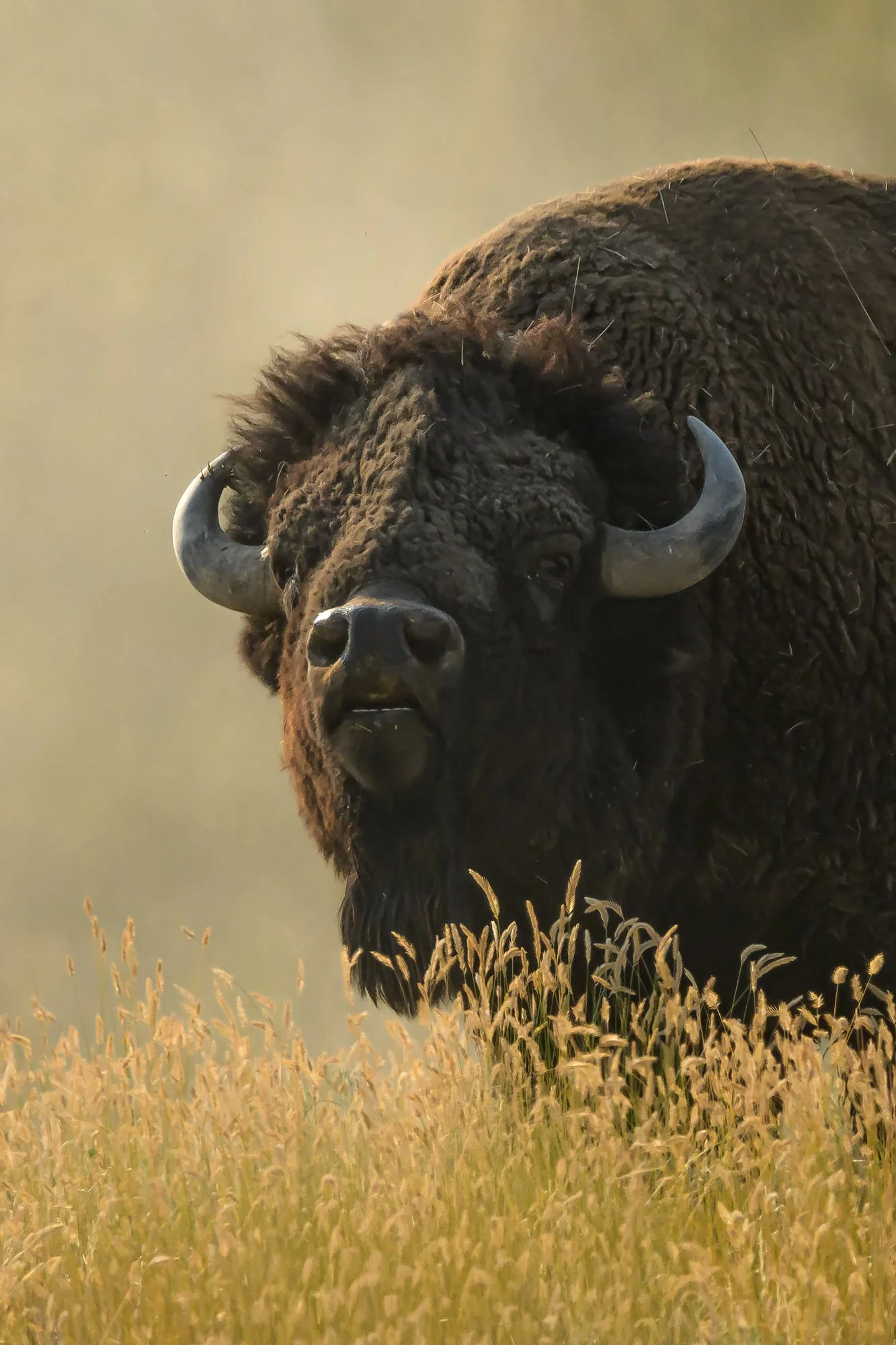
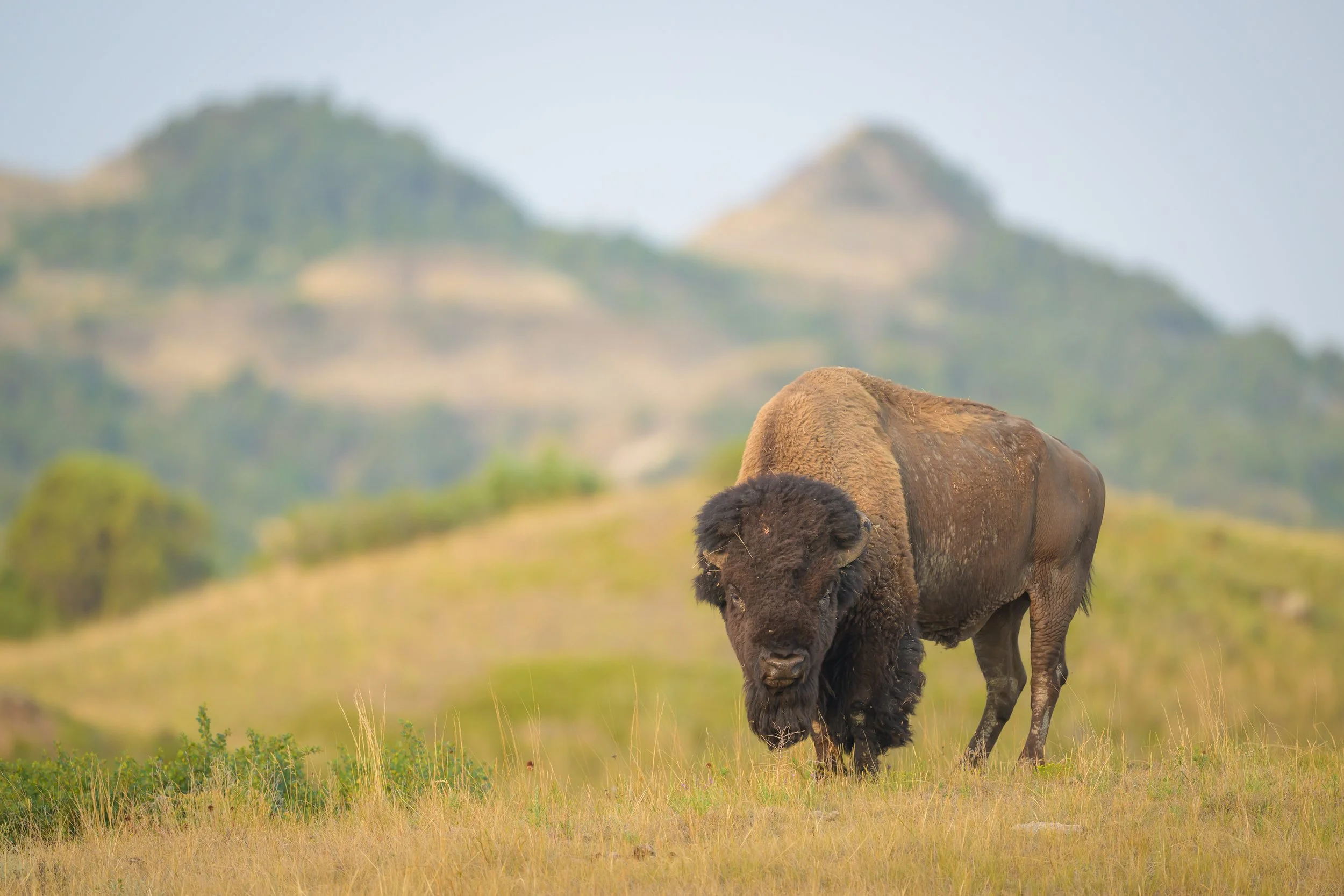
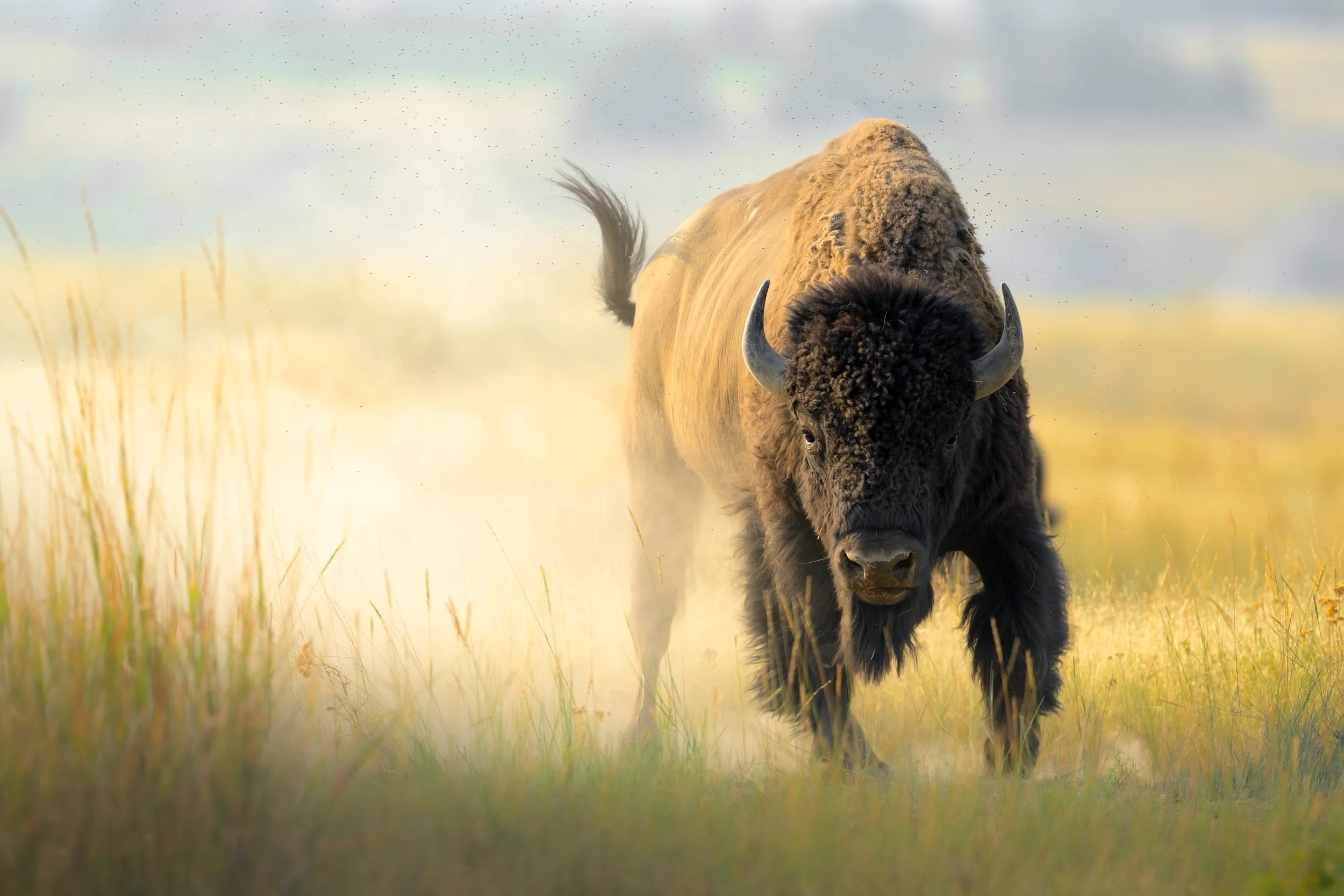
If you know where to look, if you know where to be, late July offers one of the most explosive and heart stopping wildlife photography opportunities in all of North America. The bison rut kicks off the annual cycle of tournaments each year and it just so happens to be the one with the most drama. From the bellows that sound like something from a horror movie to the metric tons of dust kicked into the air signaling dominance and daring would be challengers, the bison rut isn’t just something you watch, it’s something you experience. It’s something you feel on a visceral level.
If you have never had the opportunity to witness the peak of the bison rut before, then you are missing out on one of the most amazing wildlife events on this continent.
But bison are just the focal point.
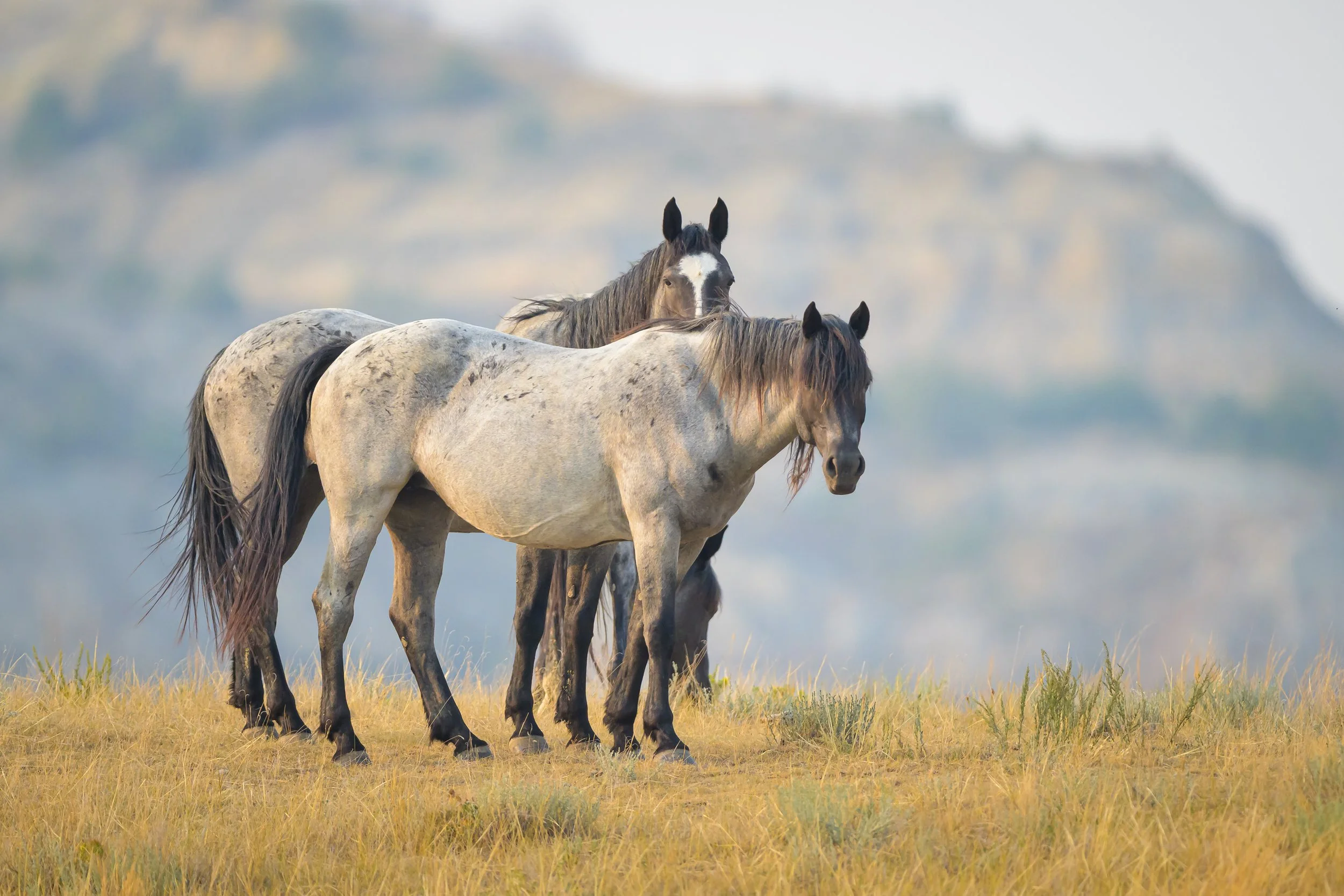
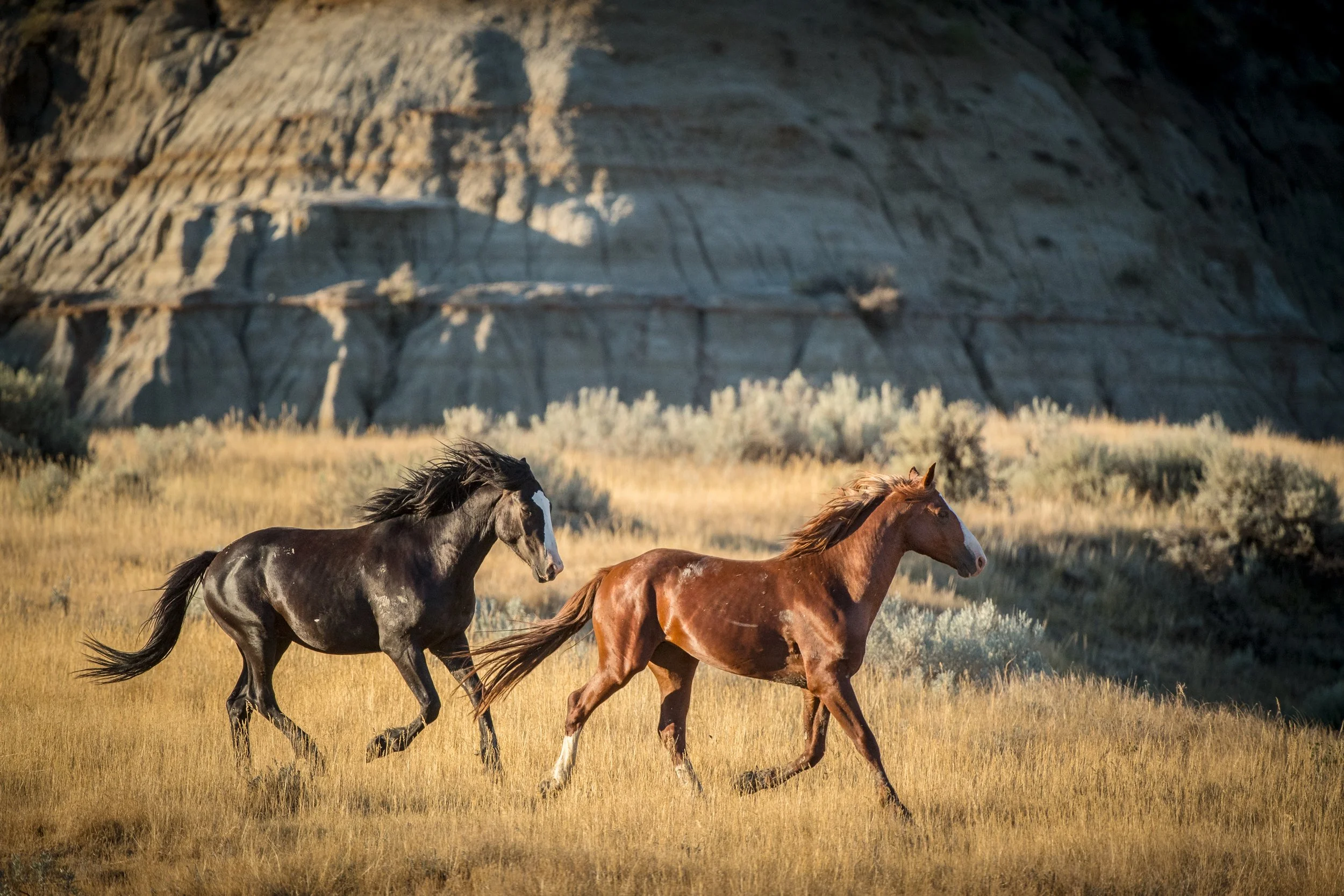
This landscape also plays home to wild horses who are donning battle scars and tangled manes from their own tournaments as they fight for the right to pass on their legacy to posterity. One of the few wild populations recognized to be their own unique breed, these horses are known as the Nokota Horse. Thought to have descended from the horses surrendered by Sitting Bull's band of Hunkpapa Lakota at Fort Buford, these wild equines add an almost haunting beauty to the landscape as they drift in and out of the buttes and badlands like ghosts traveling across this landscape.
And then there’s the dog towns.
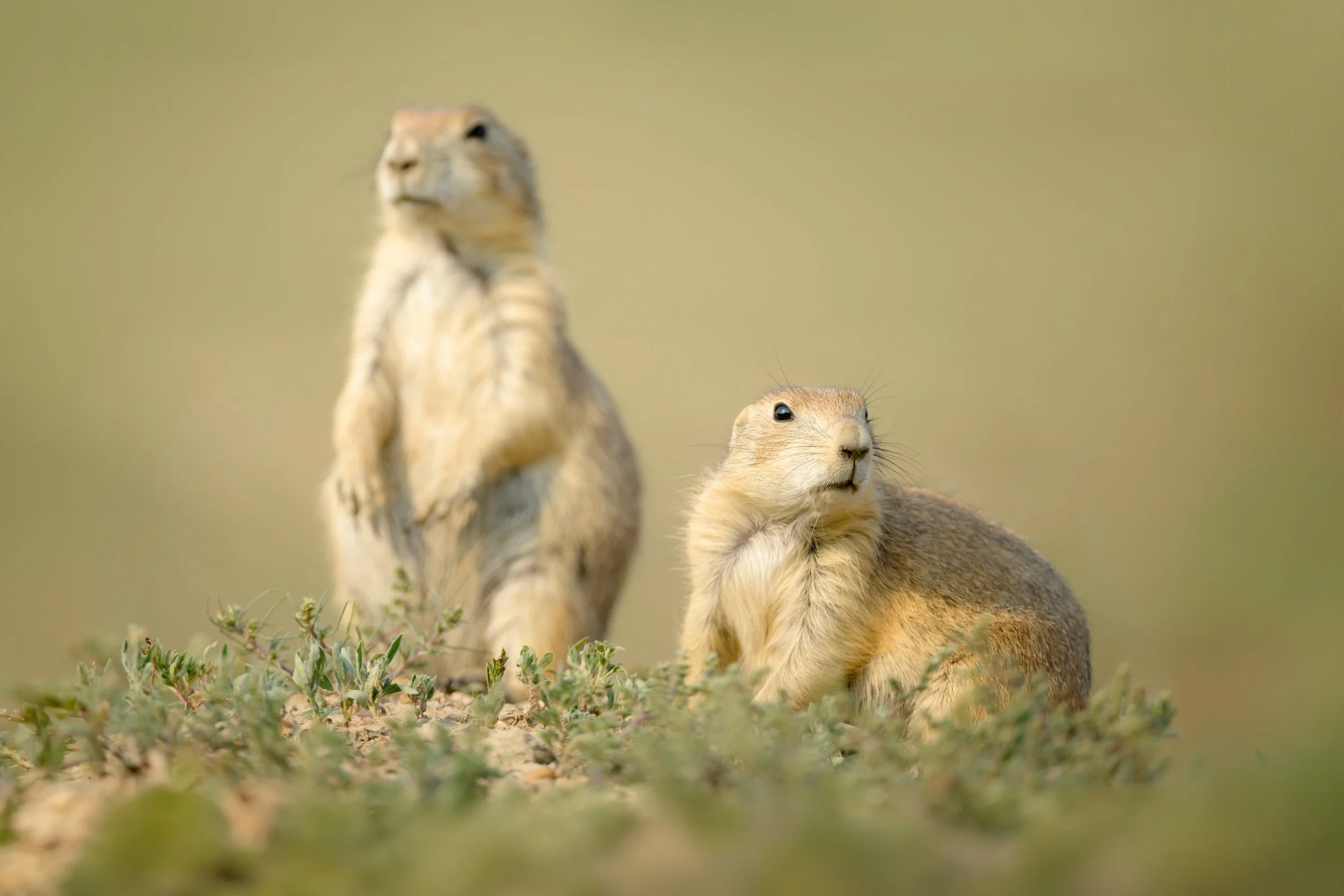
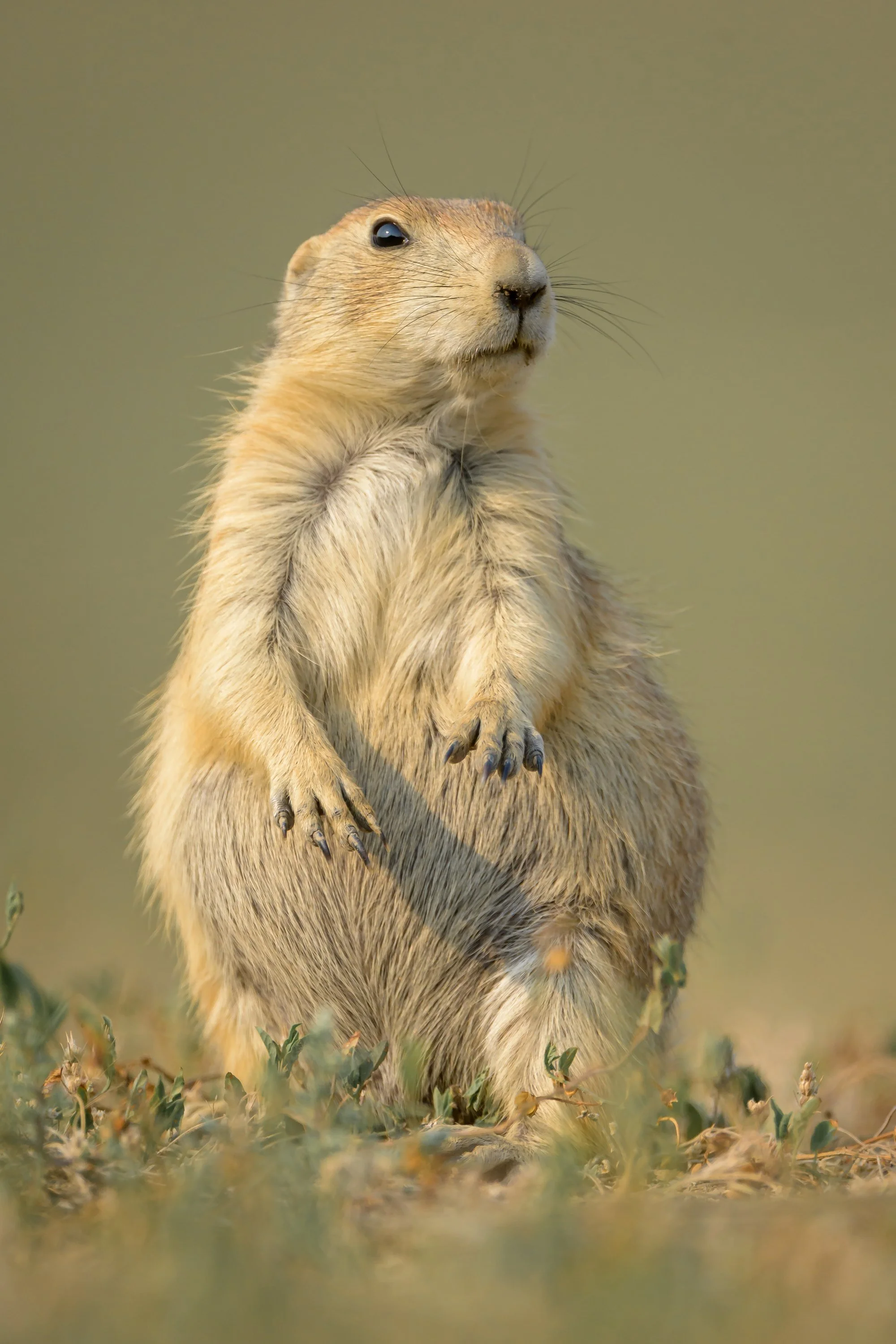
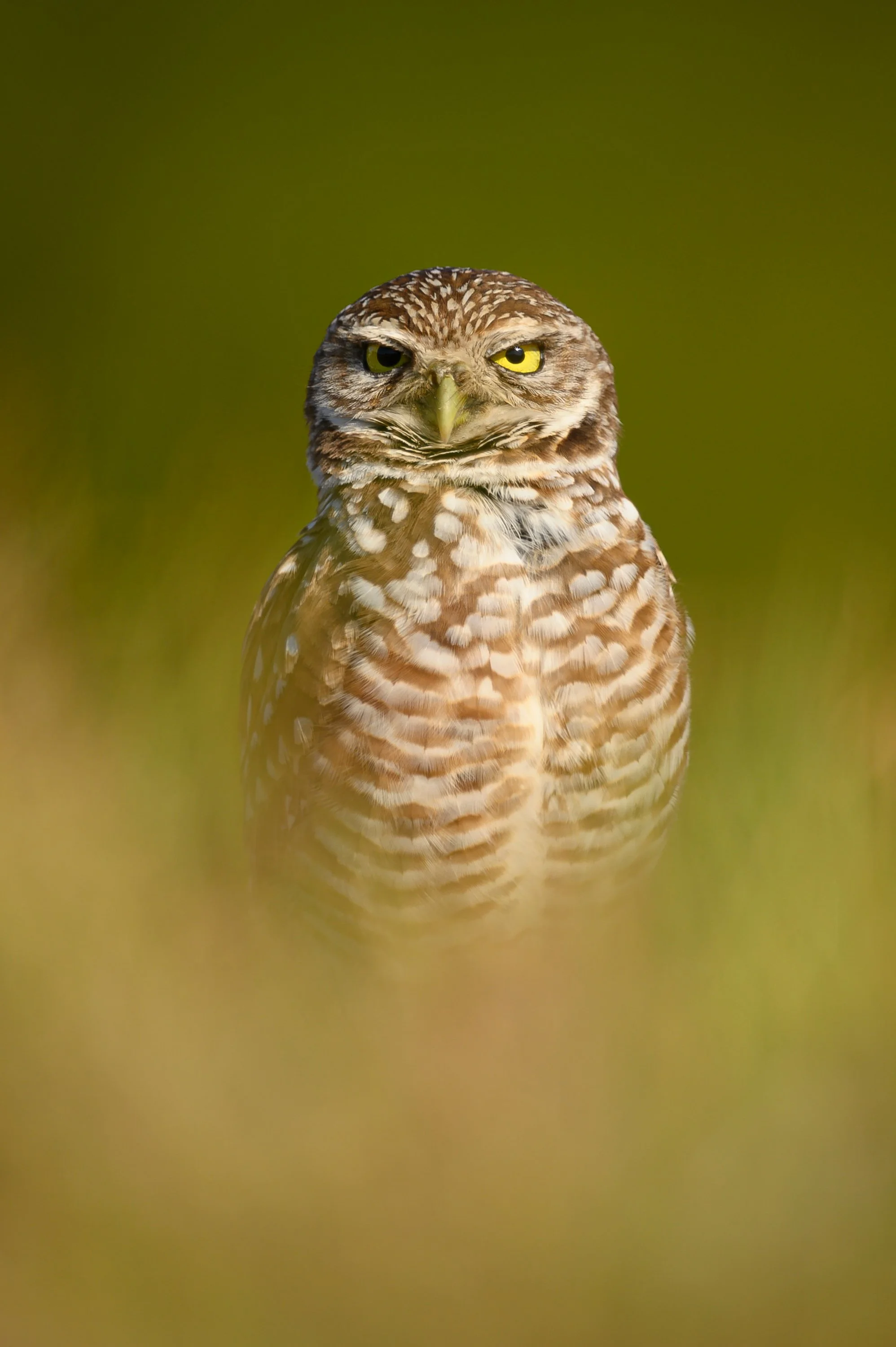
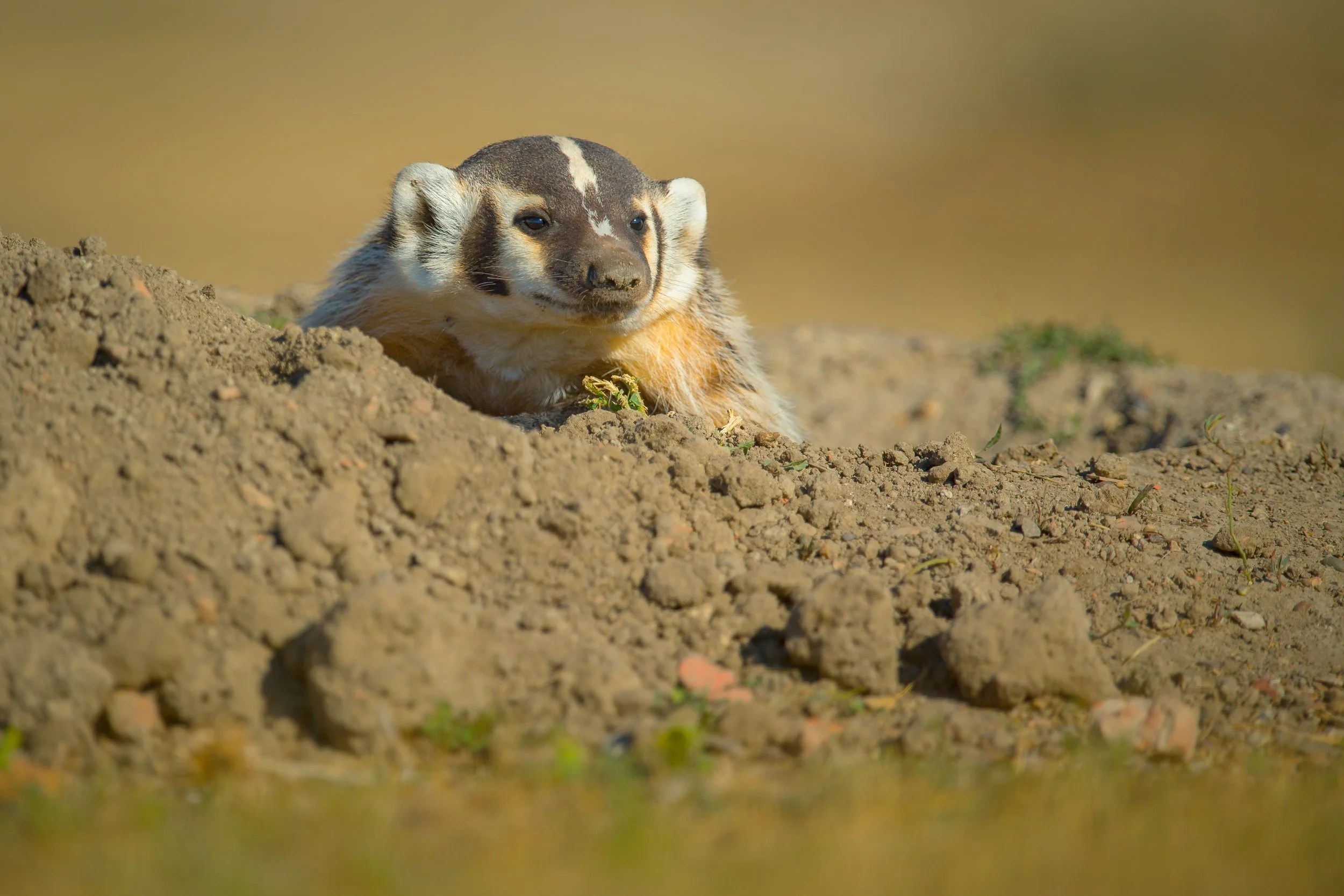
Seemingly endless prairie dog towns stretch out across the valleys here. The black-tailed prairie dog is an ecosystem engineer similar to beavers but on an order of magnitude that can be difficult to truly appreciate. Their presence lures in badgers, weasels, coyotes, foxes, and even bobcats all in search of easy meals. Meanwhile burrowing owls nest in the middle of it all and countless species of other birds come from all across the prairie drawn to the hustle and bustle of the dog towns in search of insects.
Dog towns are a wildlife photographer’s dream come true. Endless activity, pulling in every big herbivore, carnivore, and raptor from miles around onto the same small piece of real estate.
The prairies and badlands we will spend a week exploring are perhaps one of the best kept secrets in the national park system. While the summer hordes of tourists and photographers crawl across every square inch of places like Yellowstone National Park in July, Theodore Roosevelt National Park is one of the least visited in the United States. And that’s a good thing for us because it allows us to work in almost total isolation with a diversity of wildlife that’s hard to find anywhere else.
The Basics
Dates: July 25 - 31, 2027
Cost: $6,500
Deposit: $2000
Group Size: Limited to 6 participants
Single Supplement: Included
Includes:
Single occupancy lodging
Park Passes
Pre-trip Zoom Meeting
Not Included:
Transportation to and from Medora, North Dakota
Meals
Travel: Fly into Bismark, North Dakota. Airport Code: BIS

Have questions about this workshop? Ready to sign up?
Use this form and we’ll be in touch!
Experience Highlights
North America’s best kept wildlife photography secret
The opportunity to photograph North America’s most explosive and dynamic rut.
The chance to photograph wild horses amongst the muted color pallet of the North Dakota badlands
Some of the easiest access to prairie dog towns you will find in North America, complete with a cornucopia of other species that associate with these ecological gems on the prairie
One-on-one photography instruction
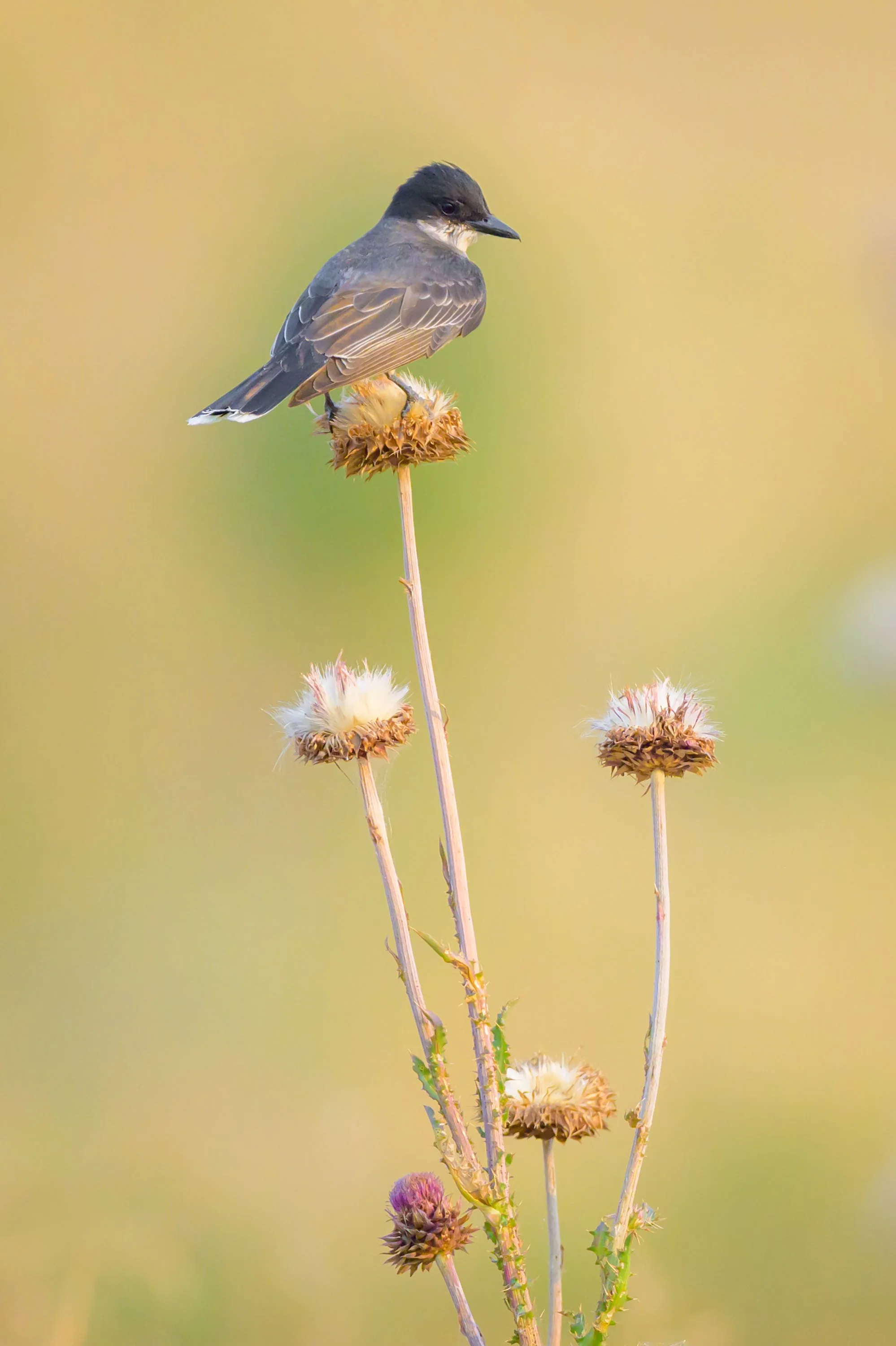
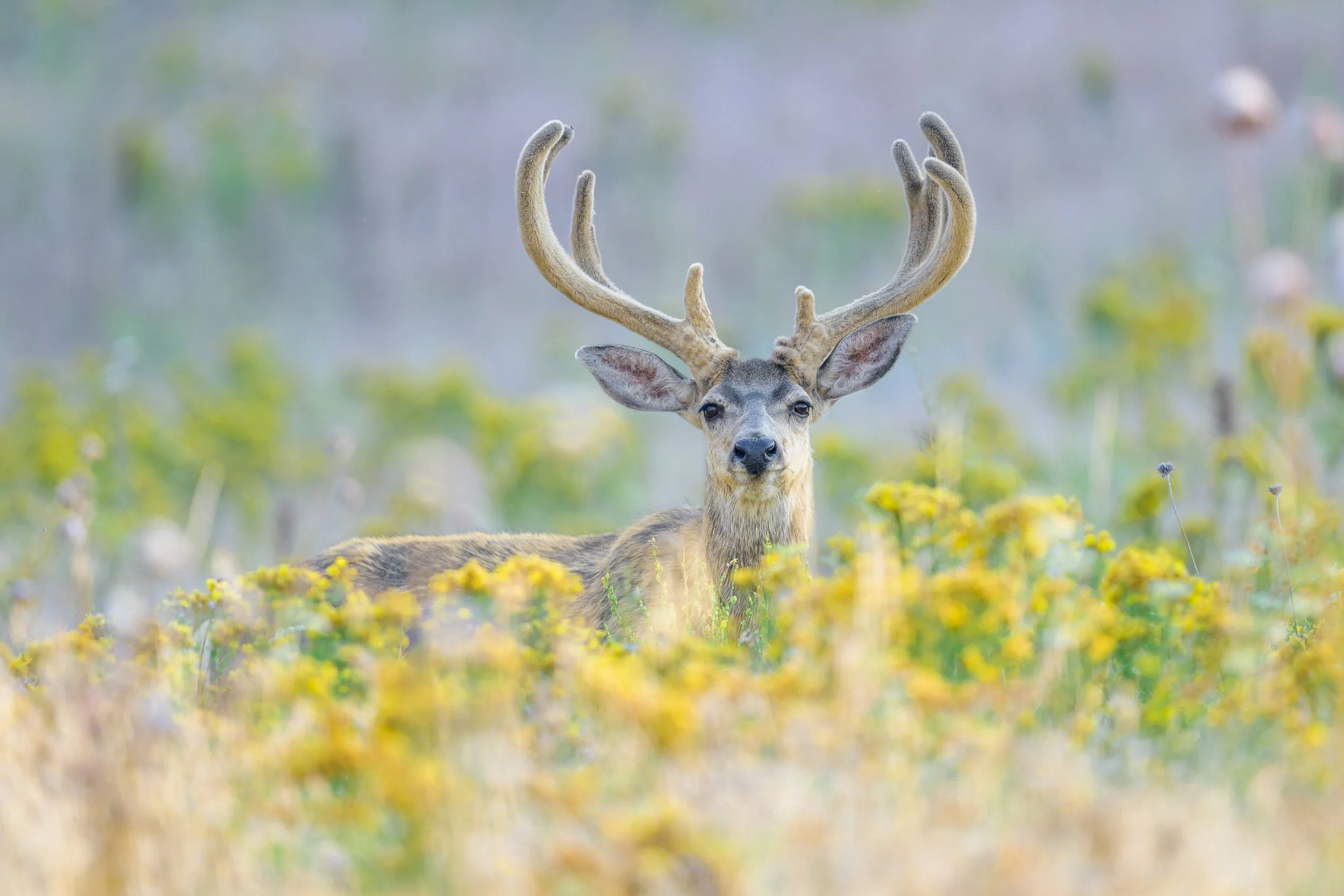
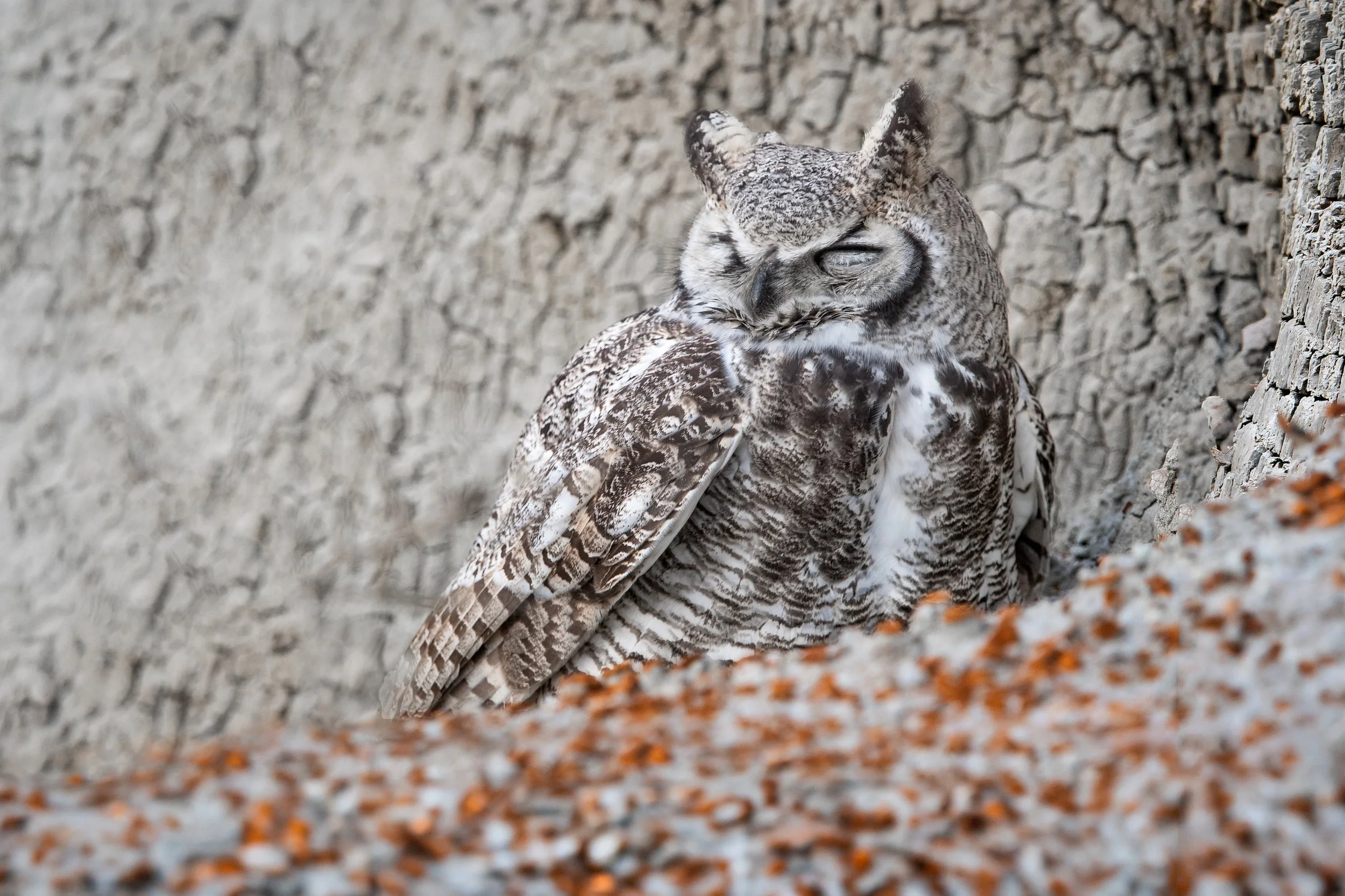
Potential subjects include: Bison in rut, wild horses, bighorn sheep, bald eagles, golden eagles, burrowing owls, American badger, long-tailed weasels, the plains coyote (different from places like Yellowstone), burrowing owls, black-tailed prairie dogs, elk, mule deer, great horned owls, and a suite of different songbirds that we will have the chance to photograph.
Bison and Badlands Itinerary
Day 1:
Arrive in Medora, North Dakota. Check into the hotel rooms and then meet at 5pm for an official meet and greet plus dinner. After dinner, we will return back to the hotel and discuss the details and logistics of the coming week. The first day of the workshop is only a travel day + the meet and greet dinner.
Day 2-6:
These are our field days. Each day will be broken into two sessions: morning and evening. You can expect to be in the field before sunrise and then come back to the hotel around 10 or 11 depending on light and wildlife. We will brake for lunch and give everyone the opportunity to download cards, recharge batteries, and then again in the late afternoon to head back into the park. We will arrive back to Medora usually sometime after sunset.
Day 7:
We will say our goodbyes in the morning and everyone departs for home. The last day of the workshop is a travel day.
Workshop Leader:

Jared Lloyd has been a working professional wildlife photographer for over twenty years and is the founder of PhotoWILD Workshops and PhotoWILD Magazine. Jared's work can be found from the pages of National Geographic to BBC Wildlife, Audubon to National Wildlife. He has worked on BBC Natural History documentaries as well as PBS series and holds degrees in both biology and history. As a career wildlife photographer who has spent most of his life far from civilization, Jared also has extensive backcountry medical training to ensure the safety of participants on his workshops is always a priority.