Wildlife of the Cloud Forest
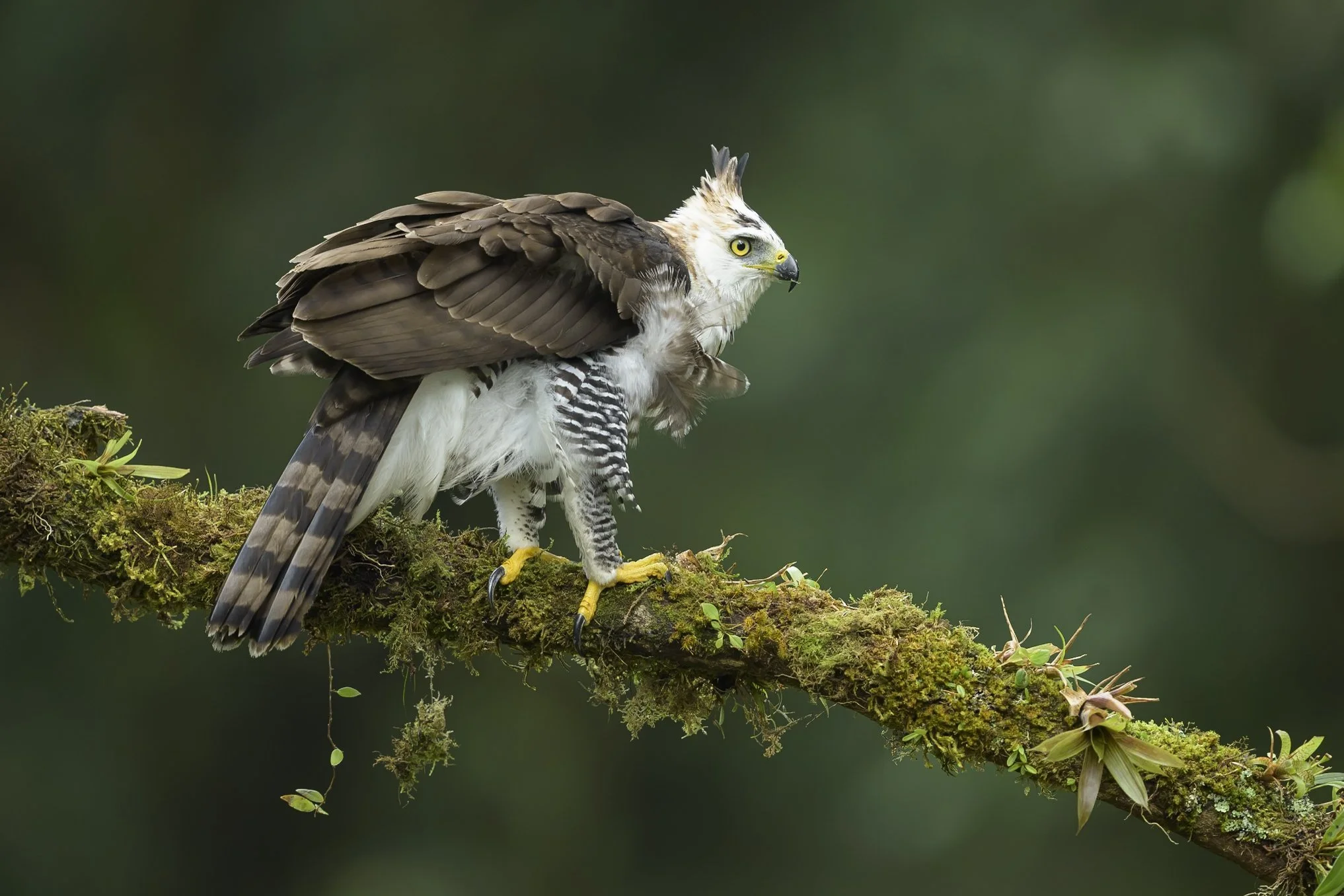
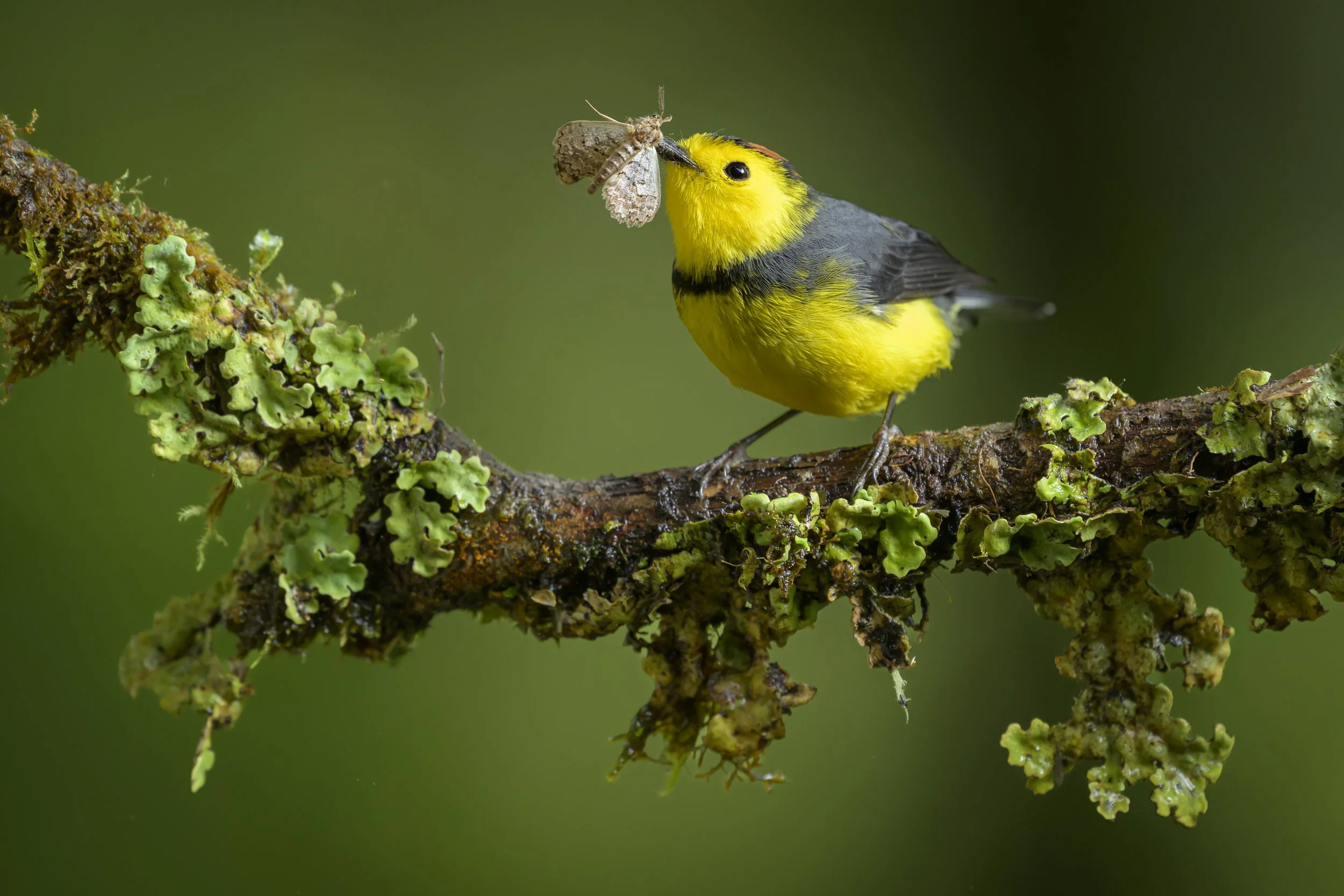
The cloud forest is truly world apart from what we think of the tropical latitudes. Climbing to 10,000 feet in elevation, these high mountain forests begin to feel a lot like the Smoky Mountains of the southern Appalachians had a one-night stand with tropical paradise after too much rum, and this was the result. Oaks and elms, those hardy species of colder temperate zones, find refuge here atop the mountains and mix with tropical palms and about 800 other species of trees that challenge pronunciation. Metric tons of epiphytic plants in the form of bromeliads and orchids seem to drip from every surface not covered in moss. And at times it feels like every bird, every flower, every reptile and amphibian is an endemic species found nowhere else on Earth. New species are discovered every month.
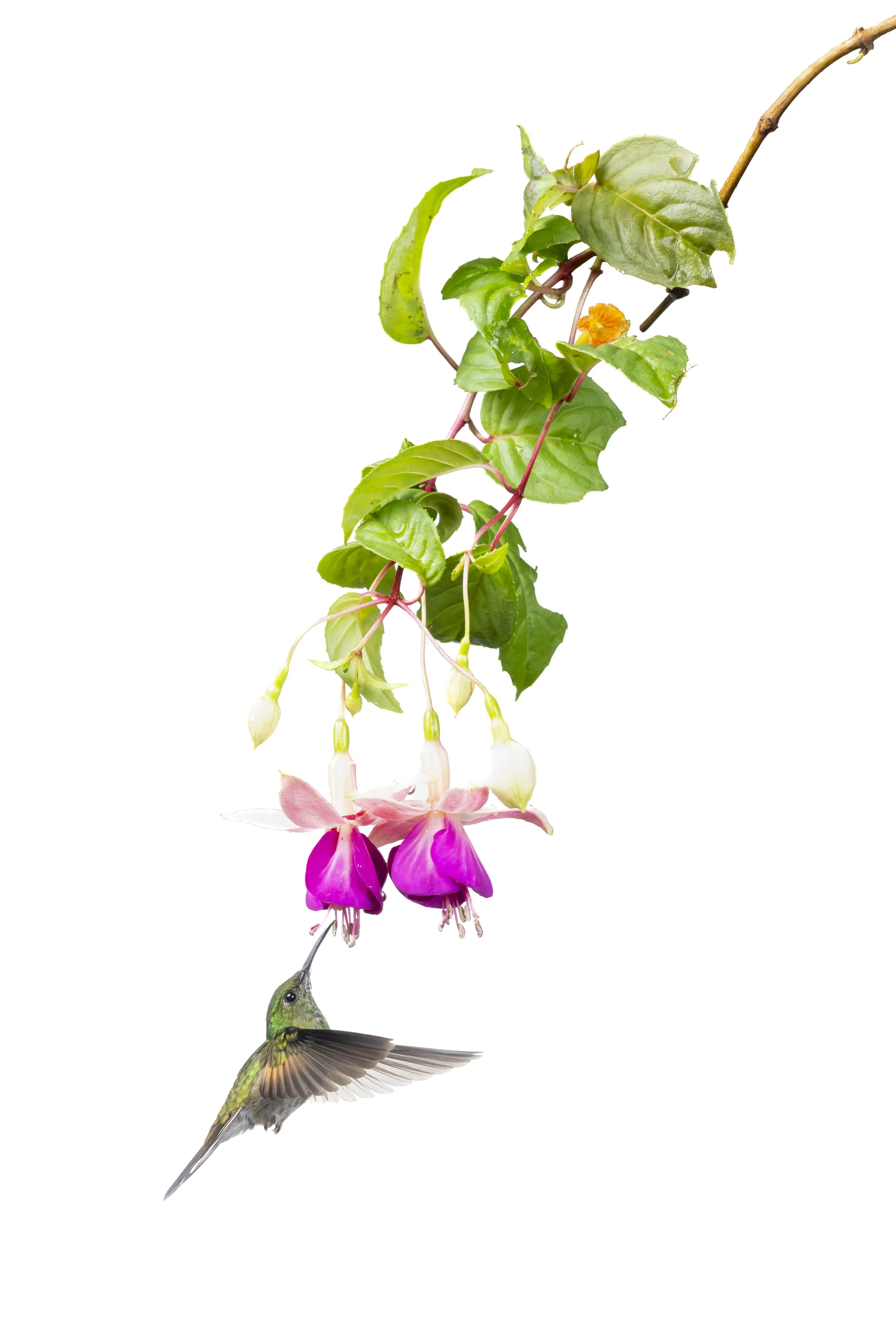
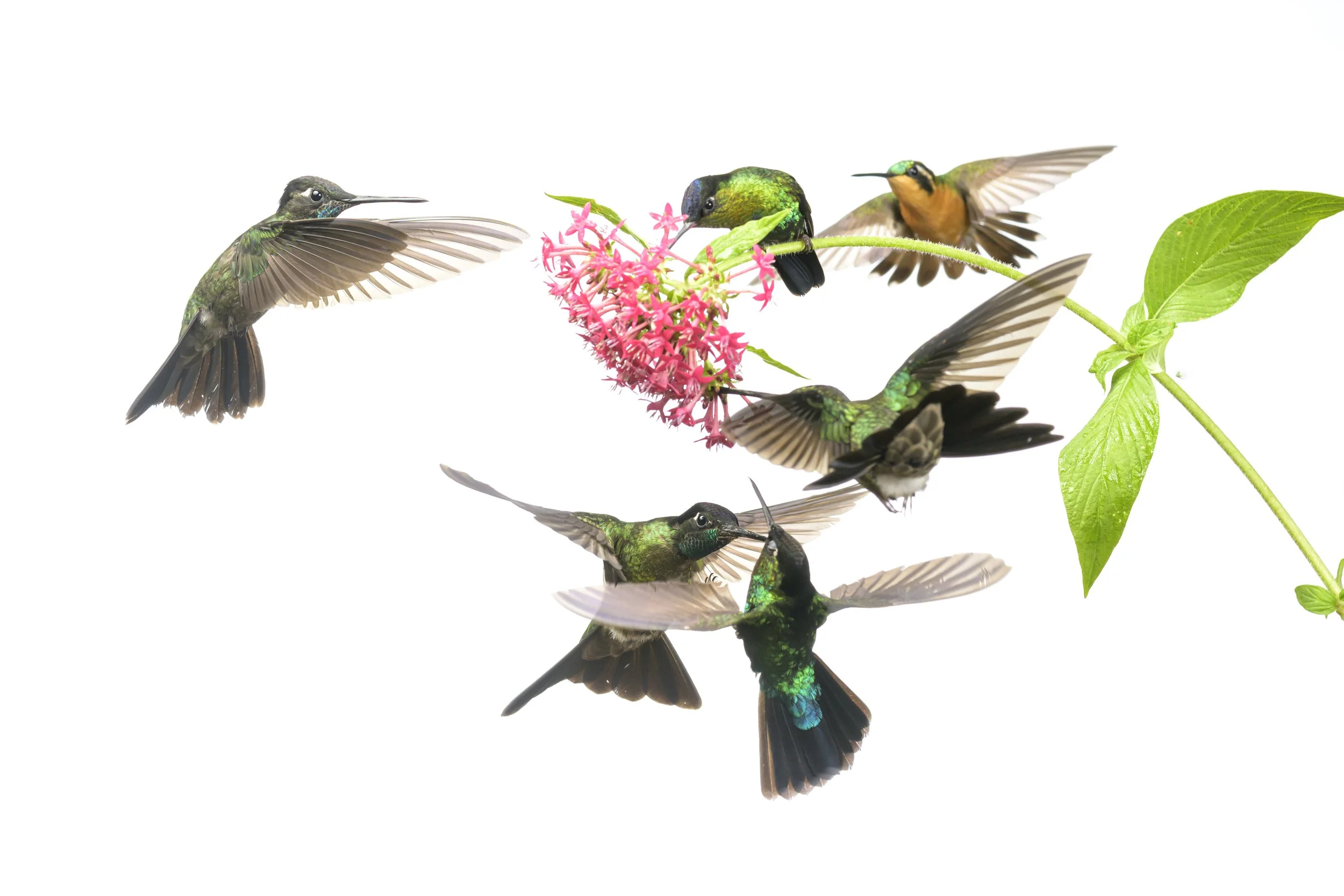
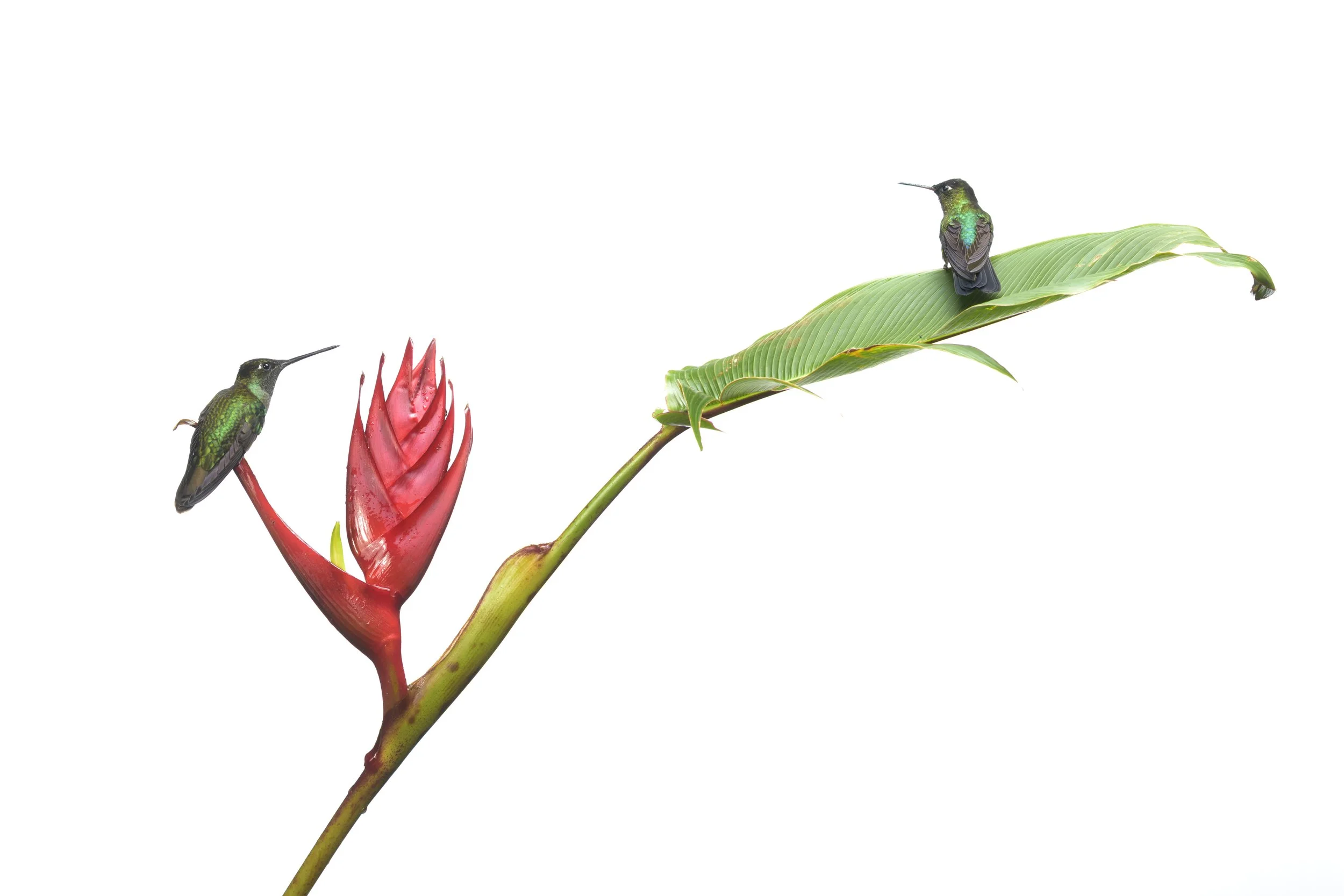
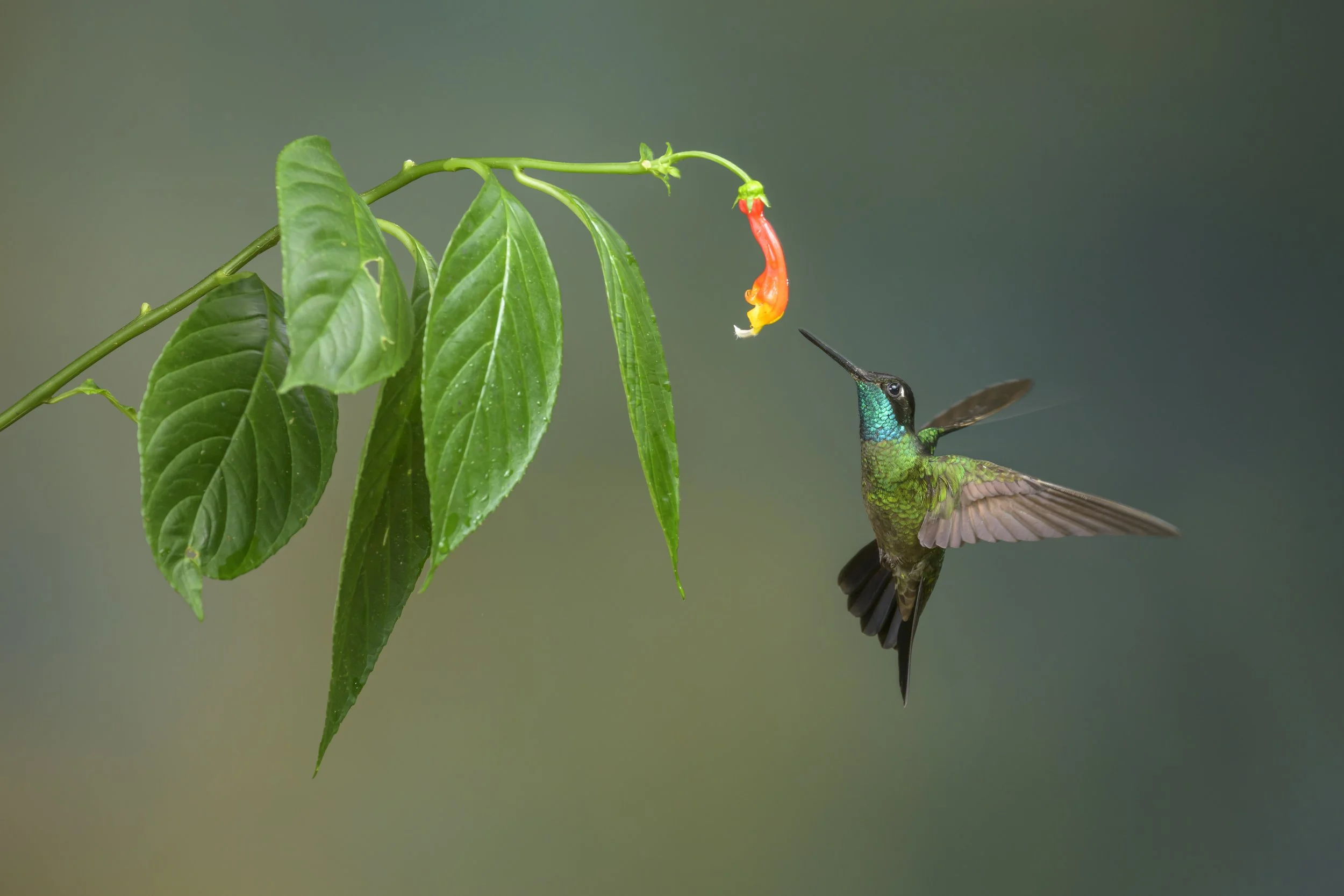
Thanks to both the elevation and the cold nature of cloud forests, where temperatures can dip into the 40s at night, life here has evolved in unique and myriad ways. Flowering plants, for instance, which depend on pollinators, have been forced to develop relationships with species of birds and mammals here who themselves have radiated into a kaleidoscope of new species to fill these ecological niches. This is why Panama, a country the size of South Carolina, has 59 different species of hummingbirds, for instance (many of which we will see and photograph).
What makes the wildlife of the cloud forests unique, the endemic species, those interspecies relationships, will be the driving force of this workshop. From nesting resplendent quetzals to multi-flash hummingbird setups, to purpose-built blinds which will enable us to photograph rare and endangered species, this workshop will reveal a whole new side of tropical wildlife photography.
This workshop is specifically timed to provide us with the best opportunities for resplendent quetzals. Considered by many to be the most beautiful bird in the world, these extraordinary members of the trogon family are a primary focus of this workshop. And our time in the cloud forests will coincide with the statistical peak of when these birds are the most active bringing food in for their young.
No experience in Panama is complete without visiting the Panama Canal. While this workshop specifically focuses on the extraordinary wildlife of the cloud forests, we will finish on boats along the Canal and its tributaries. This region is dripping with biological diversity and you will have the opportunity to photograph three different species of monkeys, snail kites, sloths, and so much more before returning home.
The Basics
Dates:
April 11 - 20, 2026
Price: $9000
Deposit: $2000
Group Size: Limited to 6 people
Classroom Session: We will spend a full day in a classroom session discussing the important photographic concepts needed to take full advantage of this workshop. We will finally demystify flash photography for you on this day and by the end of the workshop you will be a master at using flash for both bird photography and macro photography. Low light photography and how to work with high ISO situations (10,000 - 25,600) will be a big part of this as well. This classroom session is designed to insure that each participant is fully prepared for the opportunities to come. This one day will completely change your success rate for the entire workshop.
Physical Difficulty: Easy to Moderate. Though we will be in the tropics, we will be working in cool and comfortable conditions that range from 4,500 to 8,000 feet in elevation.
While hiking will be at a minimum (we will use modified Land Cruisers for transportation) it’s easy to get winded while moving around above 6,000 feet.
Skill Level: Beginner to Advanced
Lodging: All lodging is included
Single Supplement: Included
Meals: Breakfast and lunches will be provided
Not Included: Travel to and from Panama, items of a personal nature, gratuities
Airports: You can fly internationally to Tocumen International Airport (PTY) in Panama City. Then you will fly to David, Panama where the workshop begins.
Detailed flight planning information will be provided upon registration for the workshop.
Suggested Lodging if you choose to come in early: J.W. Mariott Panama City for those who wish to experience the city. There are, however, a number of decent hotels right by the airport and will save you a 45 minutes to an hour Uber ride back and forth such as the Riande Aeropuerto Hotel or the Courtyard Marriott.







Experience Highlights
One of the greatest biodiversity hotspots in the world, Panama is the literal bridge between North and South America.
Timed to coincide with the peak activity of resplendent quetzals, a species many consider to be the most beautiful bird in the world
Purpose built photography blinds in the cloud forest for photographing rare and endemic species
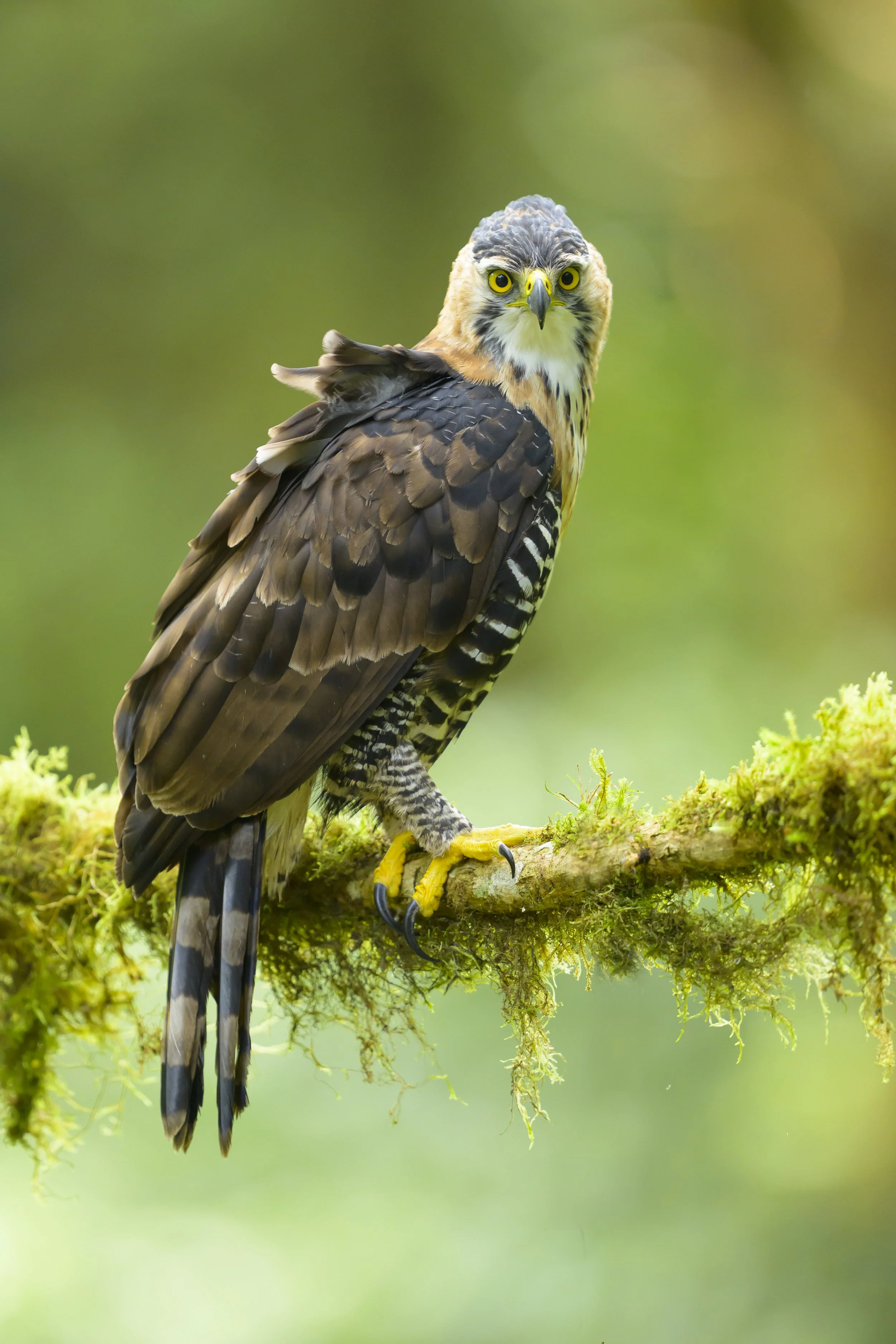
Rare and endemic species found only in the cloud forests of Panama
Wildlife photography along the Chagres River, Panama Canal, and Lake Gatun for monkeys, toucans, crocodiles, tiger herons, and more.
Multi-flash hummingbird setups with the opportunity to photograph species found nowhere else in the world.
Macro photography opportunities will include endemic species of both snakes and frogs.
Panama Itinerary
Day 1:
Arrive in David, Panama. Getting here is as simple as flying into Tocumen International Airport in Panama City and then catching a Copa Airlines flight (Boeing 737) to David. We will pick up participants from the airport and transport the group into the highlands of Panama where we will check into our hotel, meet for happy hour, dinner, and a briefing about the upcoming week.
Day 2:
Classroom Session. We will spend a full day in a classroom session discussing the important photographic concepts needed to take full advantage of this workshop. This workshop will be a MASTER CLASS in flash photography and working with very high ISO settings. This classroom session will ensure that everyone has the necessarily skill sets and technical understanding to take full advantage of the days to come. We guarantee that your success rate and enjoyment of this workshop will be exponentially higher thanks to this one day spent in the classroom before hand.
Days 3-6:
While we will base out of a single hotel throughout the cloud forest part of the workshop, our locations may vary across several different private preserves in the highlands of Panama. Given that we are photographing wildlife, the exact locations we will be determined either the night before or that morning based on the weather conditions and the wildlife opportunities as they happen realtime. Some days will be spent working from specially built photography blinds in the cloud forest. Other days will be spent photographing multi-flash hummingbird setups. Each day will start early and we will not make it back to our hotel until dinner time.
Day 7:
Travel back to David and fly to Panama City. From Tocumen Airport, we will transfer to our lodge on the banks of the Chagres River in Soberanía National Park. This will be a day filled with shuttles, airports, and flights. That afternoon we will meet up to discuss the run of show for the next couple of days and discuss the concepts that will be neccesarry for your success in the field for this part of the workshop.
Days 8-9:
For the next two days, we will explore the Chagres River, Panama Canal, and Lago Gatun by pangas (native skiff). Here we will have the opportunity to photograph white-faced capuchin monkeys, Geofroy’s tamarins, the endemic mantled howler monkey, snail kites, tiger herons, toucans, and so much more. We will do two boat trips each day, one in the morning and one in the afternoon.
Day 10:
Transfer back to Panama City. Those who are flying out of Panama will depart this day.
Workshop Leader:

Jared Lloyd has been a working professional wildlife photographer for twenty years and is the founder of PhotoWILD Workshops and PhotoWILD Magazine. Jared has been traveling to and exploring the extraordinary biological diversity of Panama for over a decade and now splits lives in the cloud forests of this region half the year. www.jaredlloyd.com