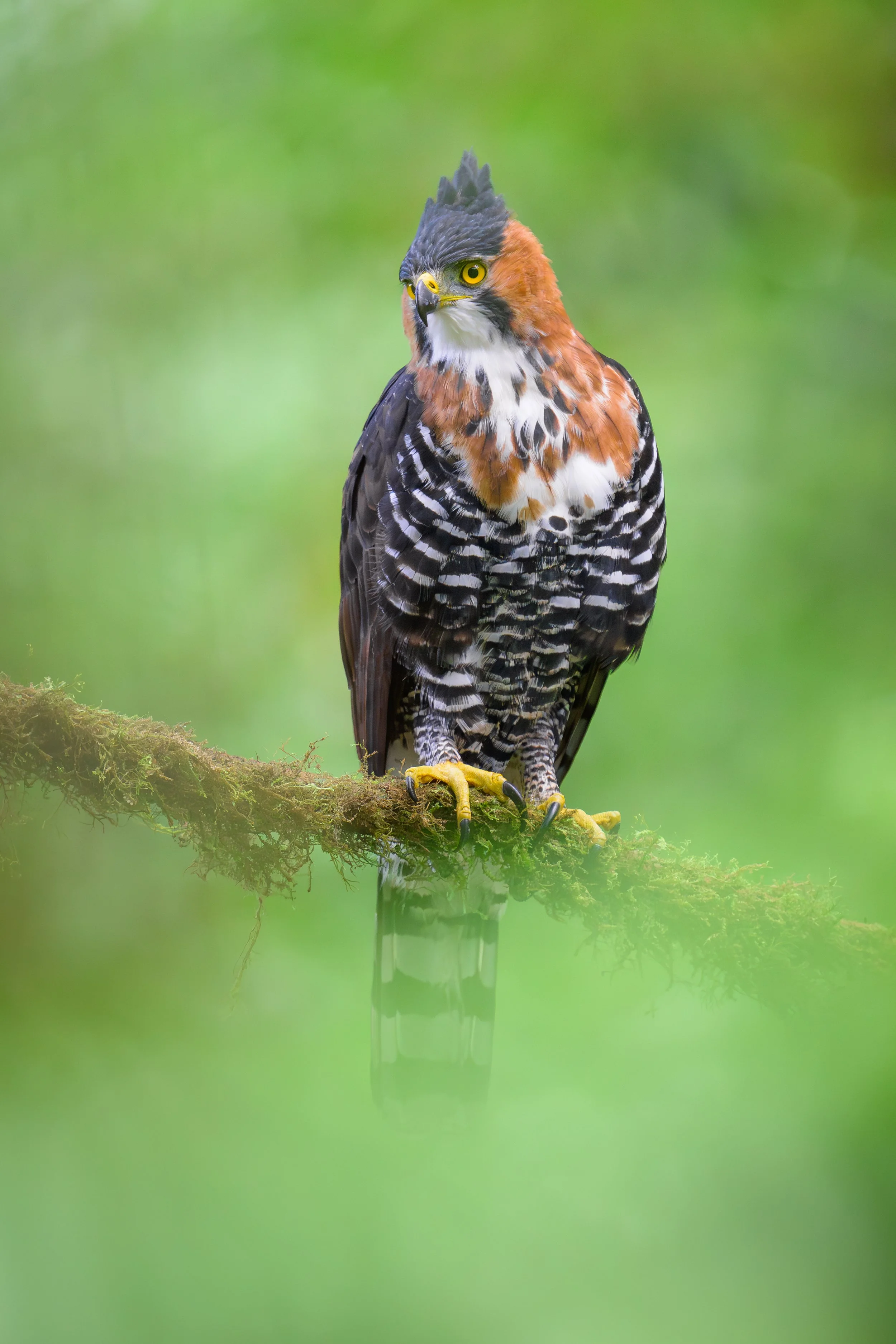
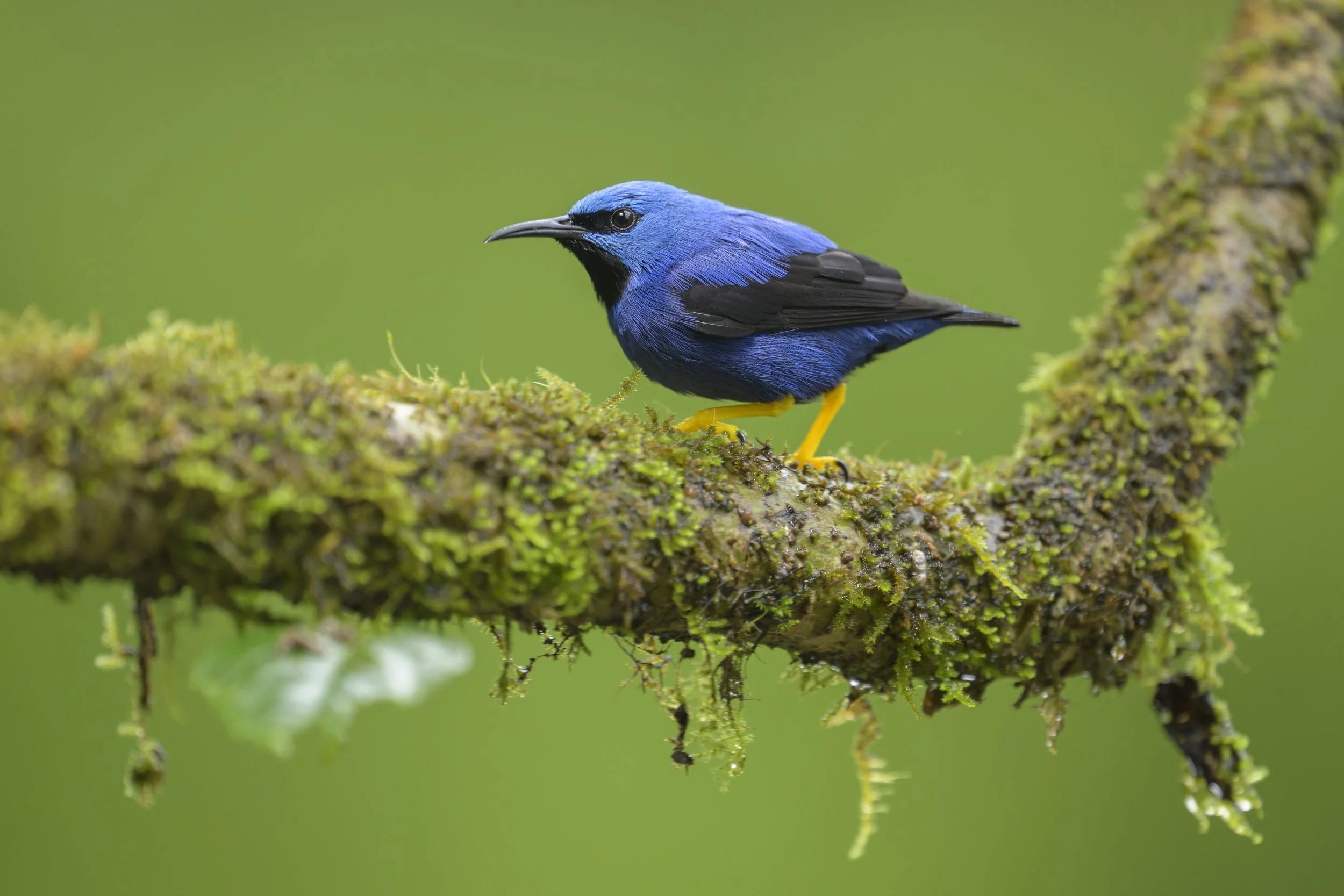
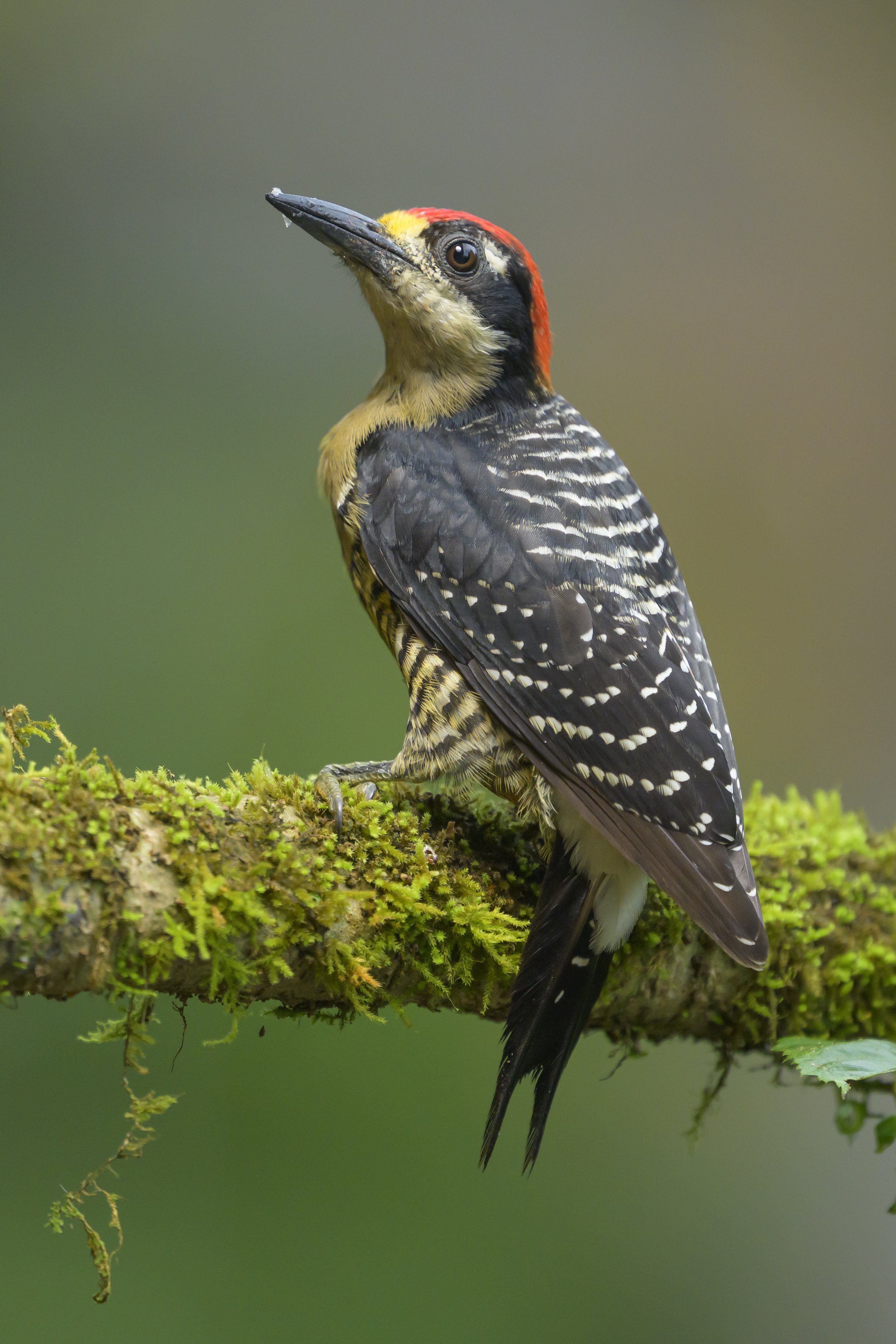
Panama stands as one of the most biologically diverse places on Earth. This tiny country, which is roughly the size of South Carolina, plays home to more bird species than the entire United States and Canada combined. It harbors species found nowhere else on the planet, ecosystems that range from Caribbean islands to 10,000-foot cloud forests, and wildlife photography opportunities that will redefine what you thought was possible in the neotropics. The biological richness is no accident. Panama is the literal bridge between North and South America, a geographic bottleneck where species from two continents converge, collide, and create something extraordinary. There's a reason the Smithsonian maintains nine different research facilities in this small nation.
Our Ultimate Panama workshop is designed to immerse you in this extraordinary diversity by exploring three distinct ecosystems over twelve days: the lowland rainforests surrounding the legendary Panama Canal, an archipelago of islands the Smithsonian calls "the Galápagos of the Caribbean," and finally the fog-shrouded cloud forests of the highlands where evolution has produced species found on no other mountain range on Earth. This isn't a tour. This is an intensive photography workshop designed to elevate your technical skills while positioning you to photograph some of the most sought-after wildlife subjects in the Americas.
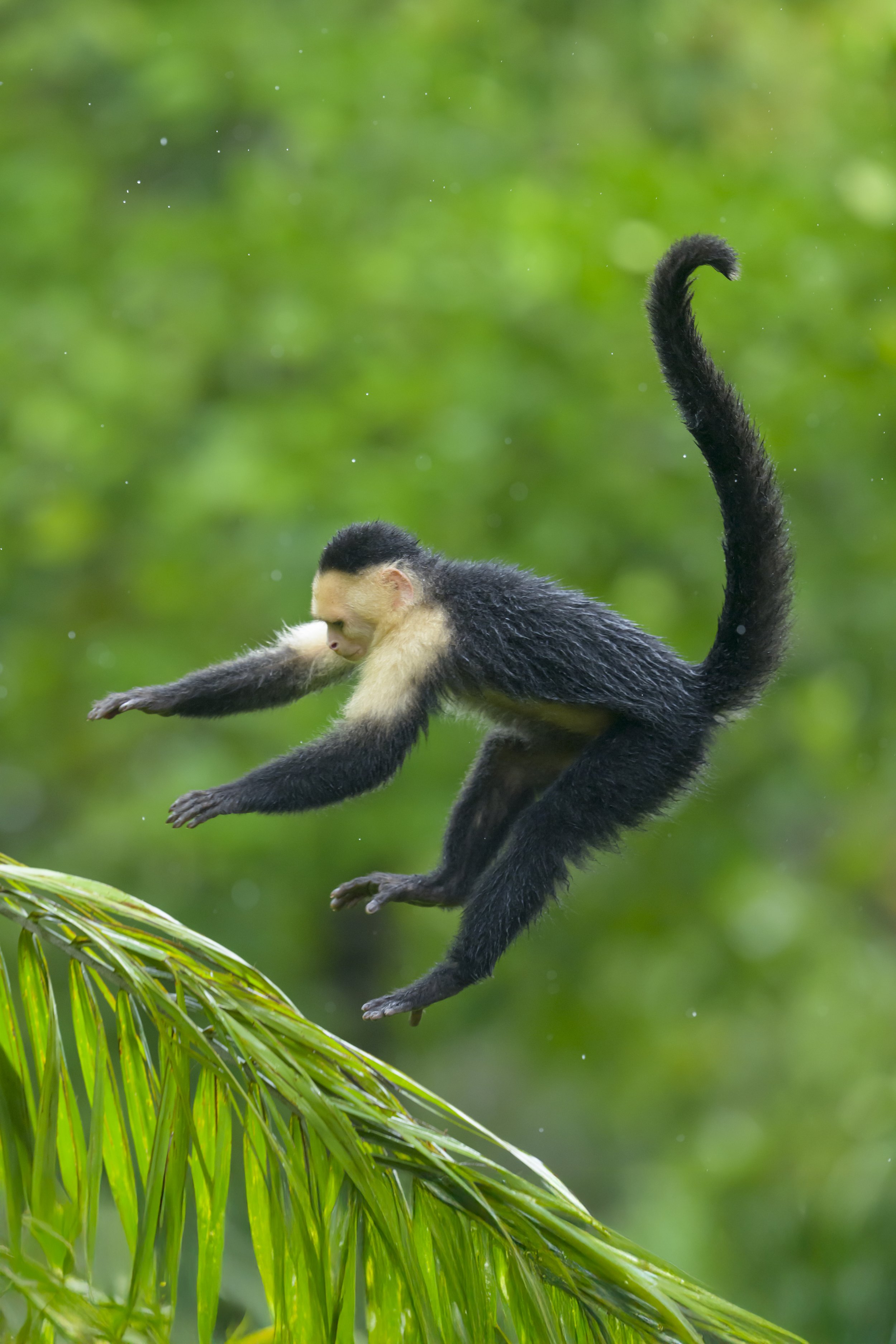
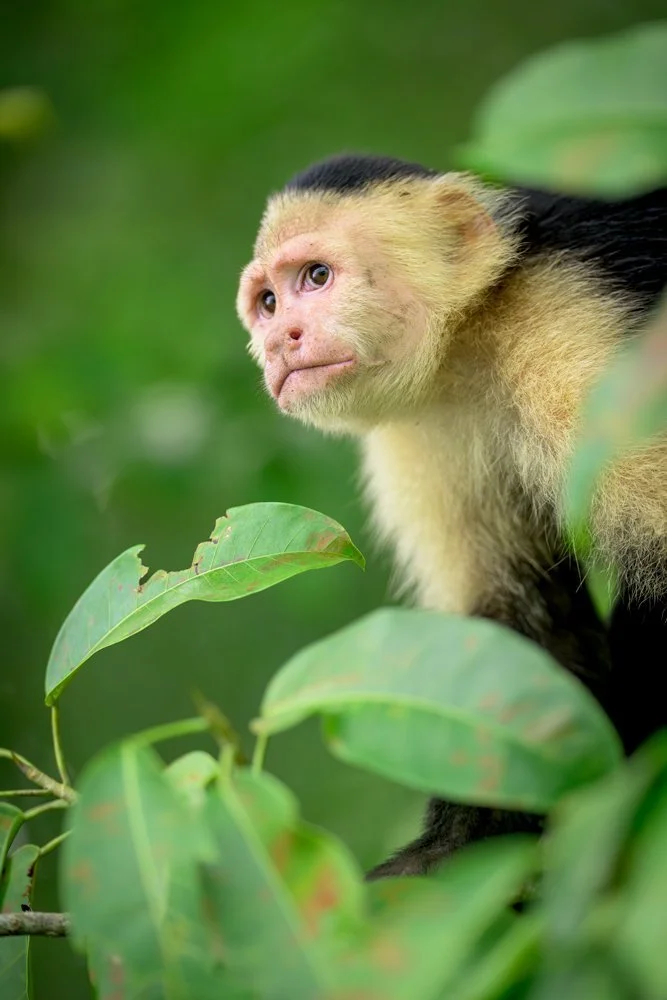
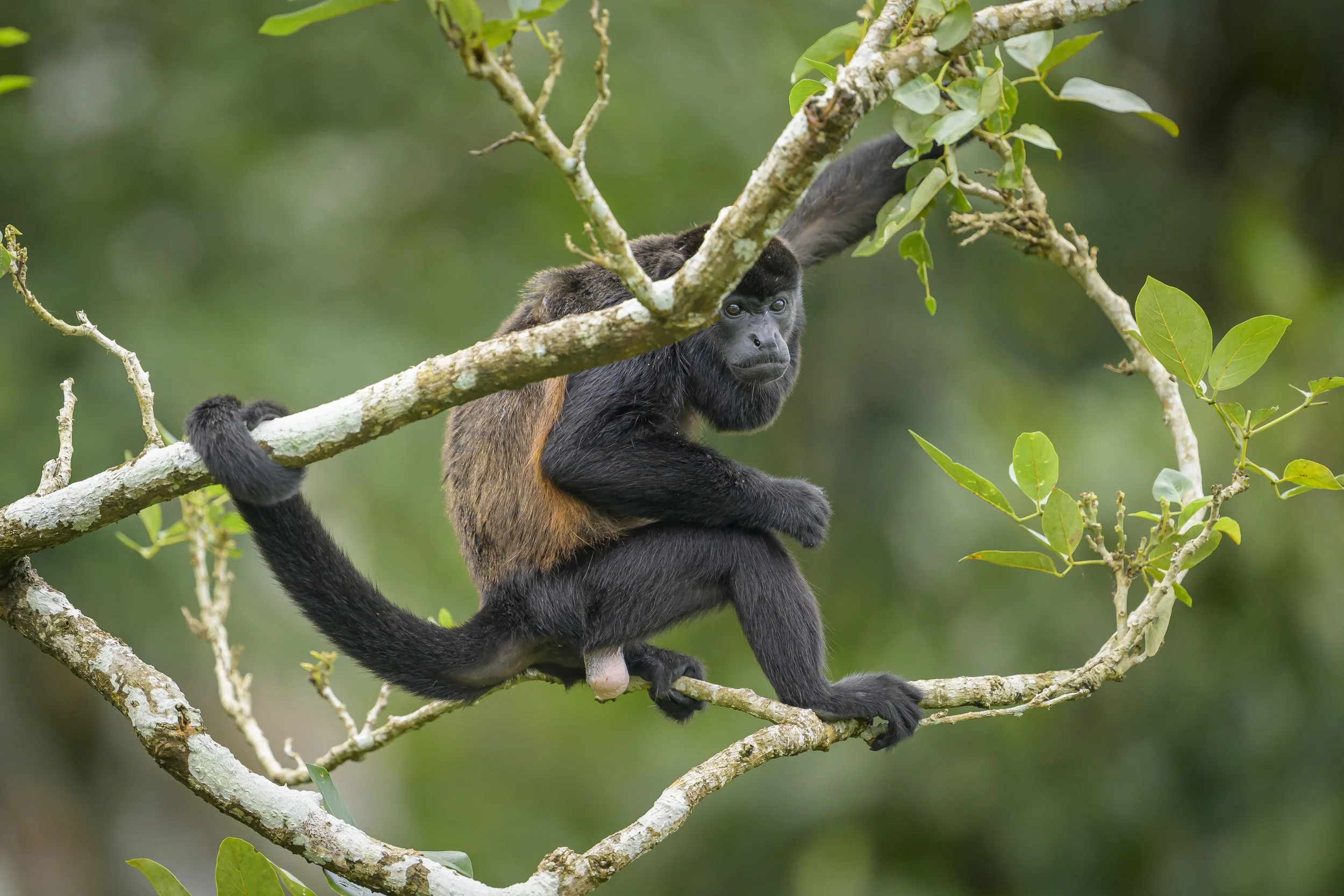
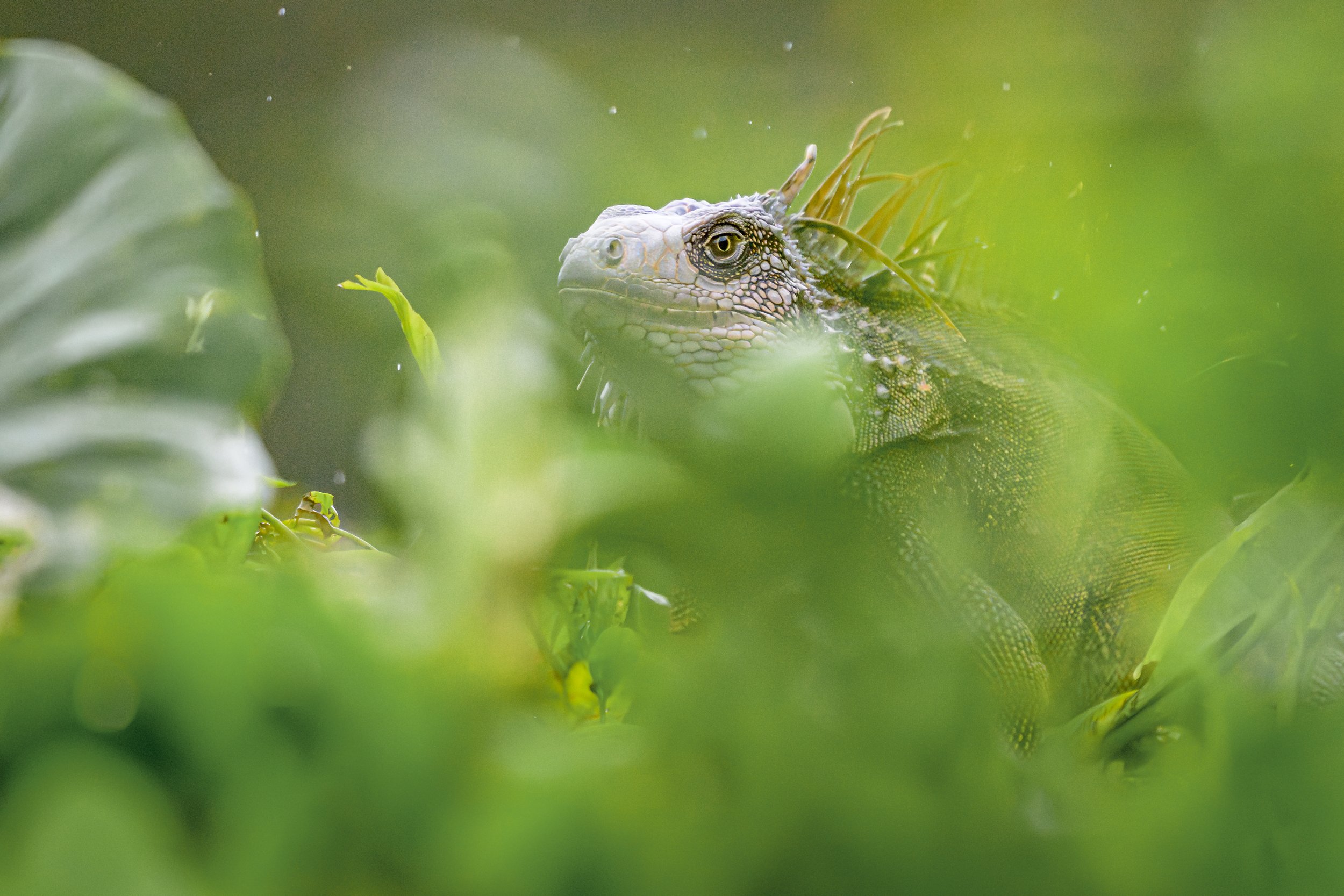
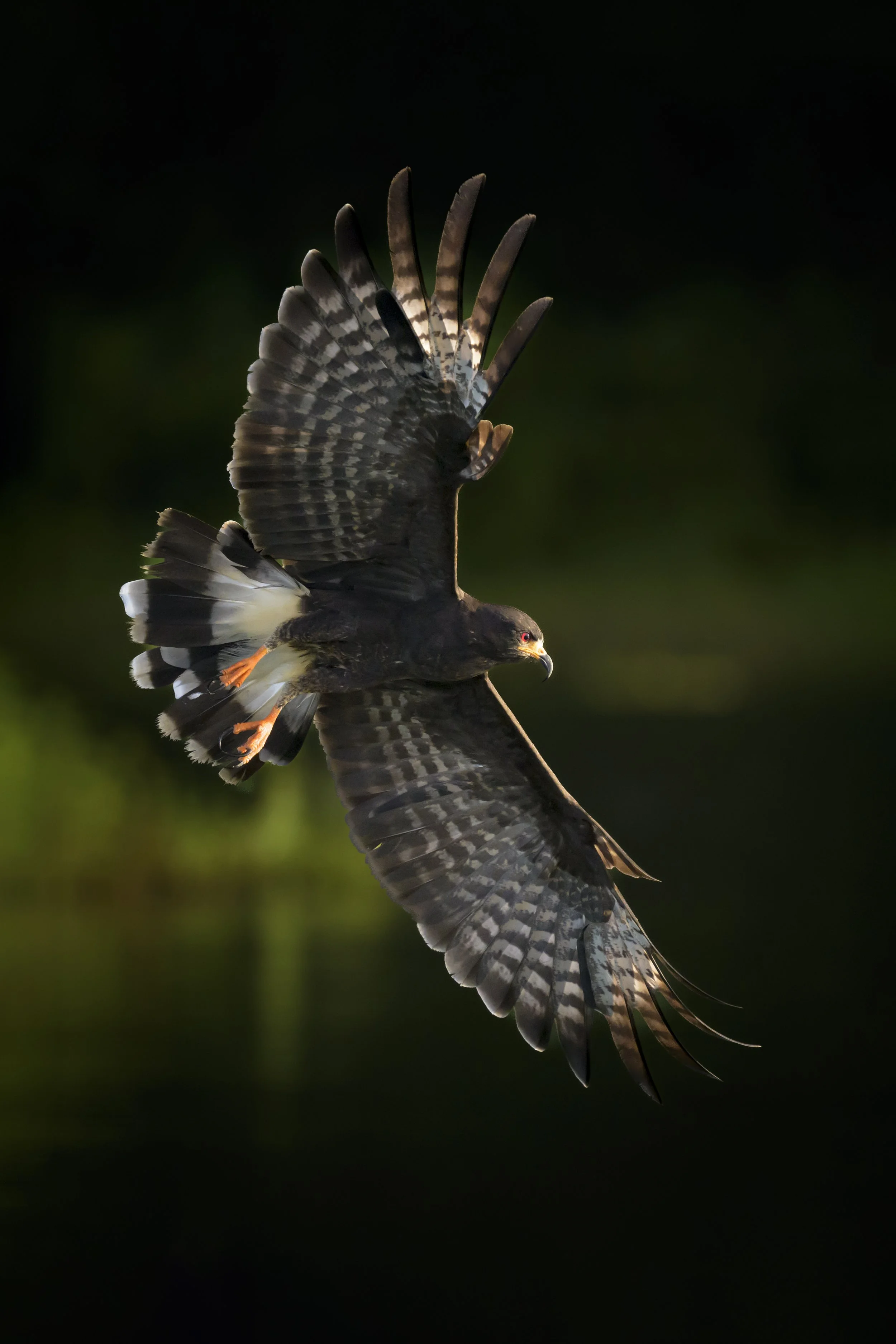
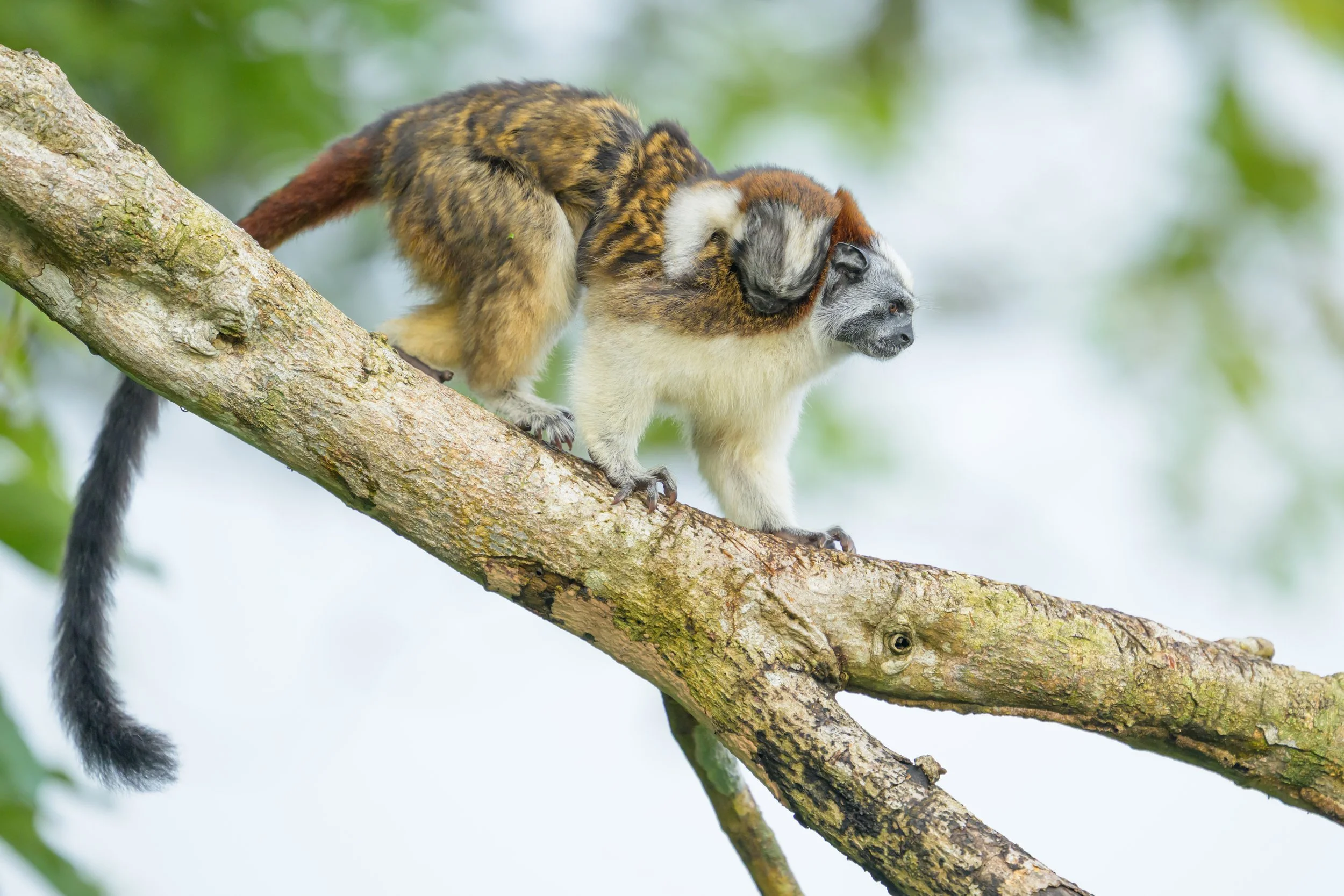
We begin in the heart of Soberanía National Park, where the calls of keel-billed toucans mix with the roars of mantled howler monkeys. Over the span of three days, we will photograph one of the densest populations of snail kites in the world, three different species of monkeys that ill allow for frame-filling portraits nearly impossible to find anywhere else. We will search for tiger and cocoi herons, toucans, spectacles caimans, waddled jacanas, green iguanas, and so much more.
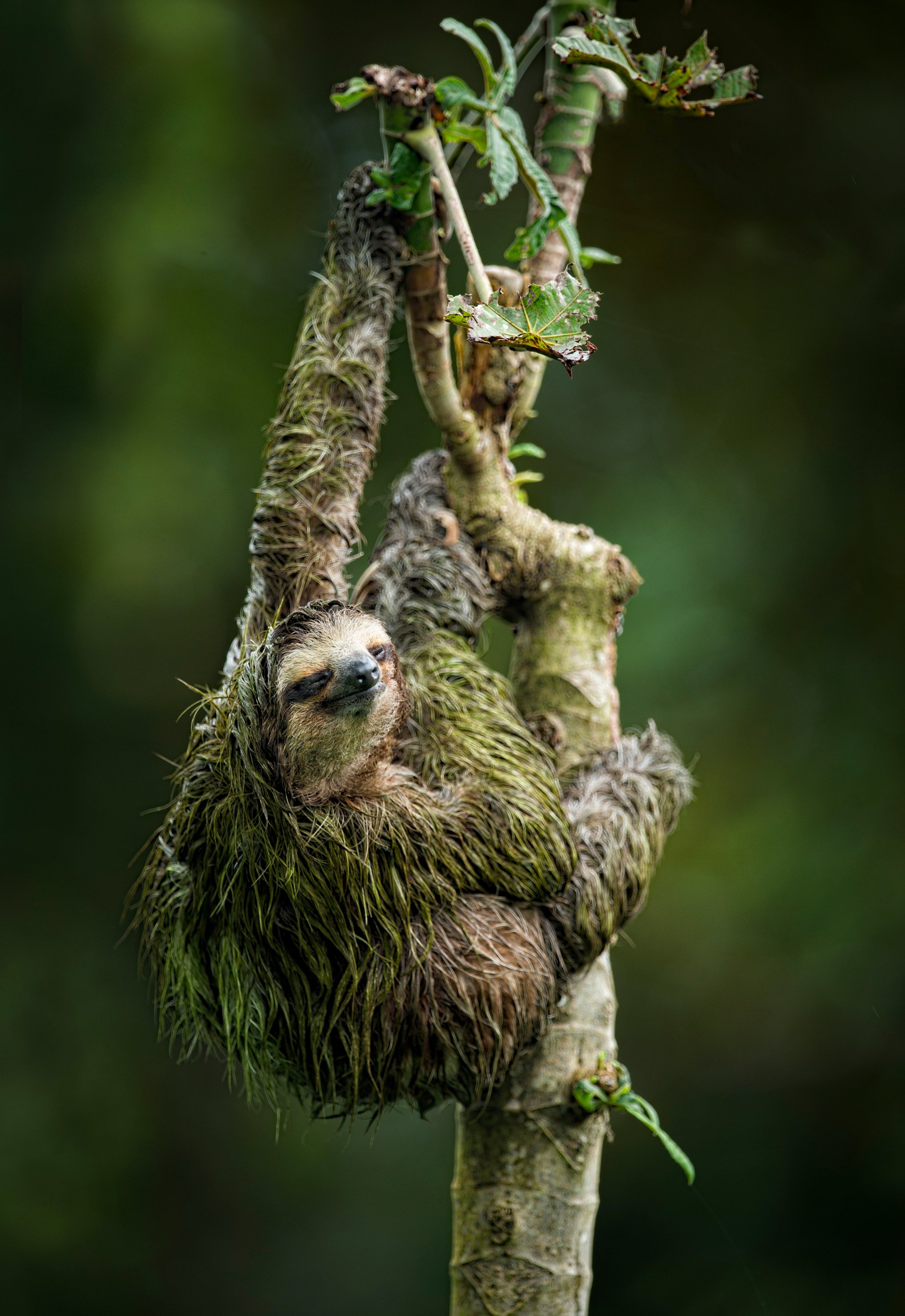
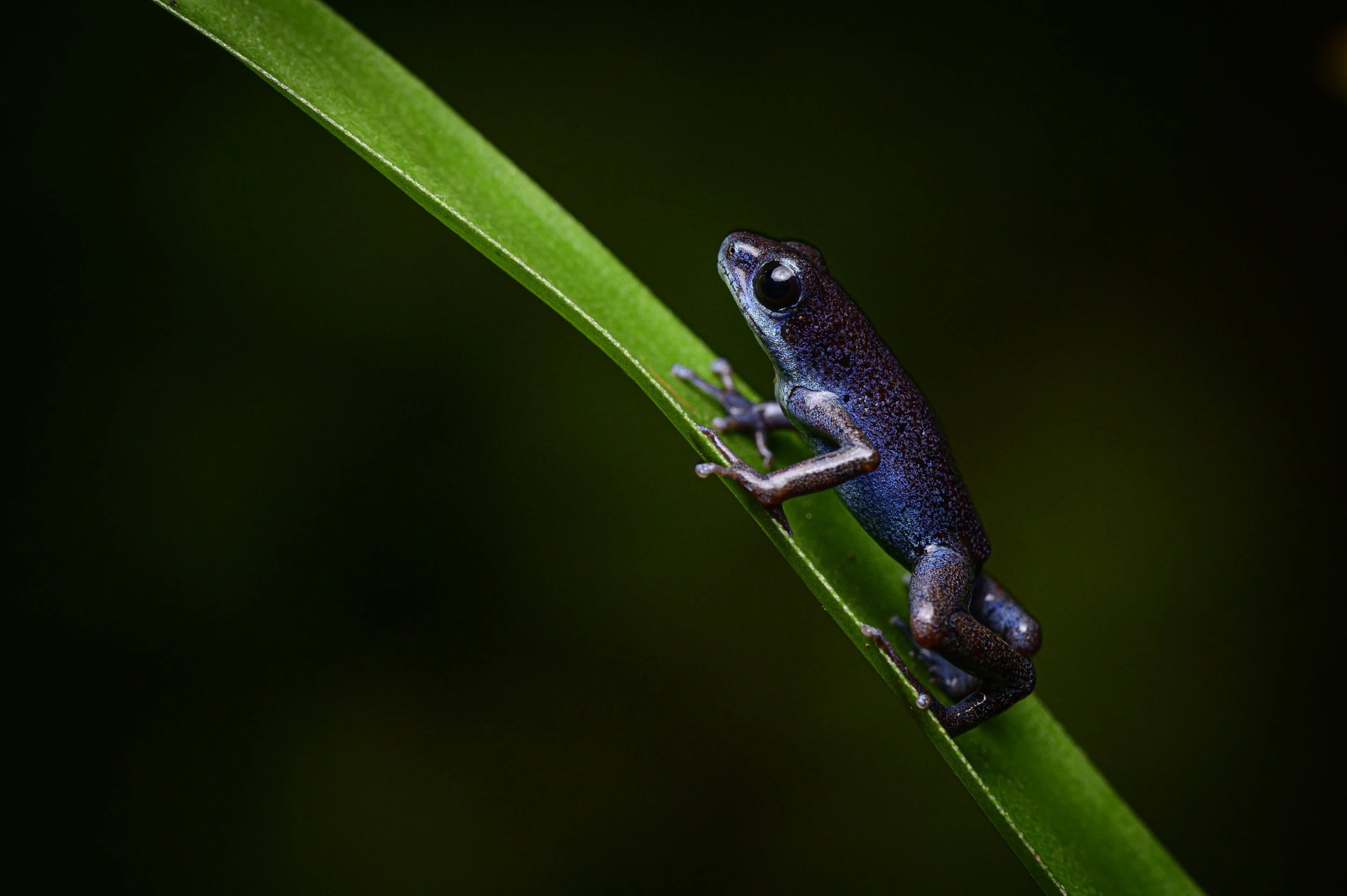
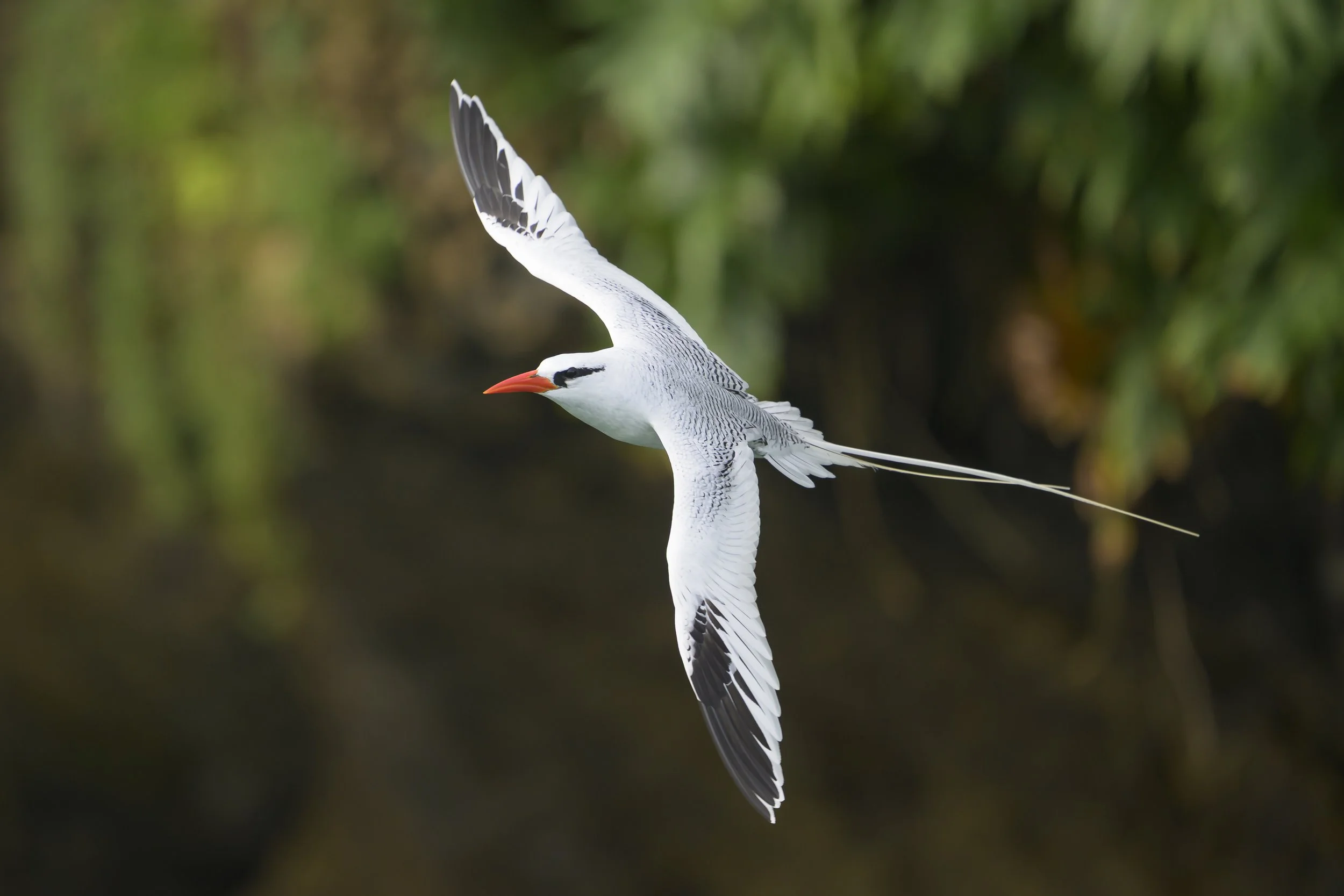
From the lowlands, we fly west to David, Panama’s second largest city. Here we will head across the continental divide in purpose built expeditionary vehicles and down to the Caribbean slope. This time of the year is the absolute peak activity for amphibians in the region, and it’s impossible to consider photographing Panama’s diversity of frogs without a trek out to Bocas del Toro with its impossible array of different colored poison frogs. Every island, every hill, every side of every creek seems to harbor its own unique color variation of these incredible amphibians. Bocas del Toro is more than just amphibians, however. This archipelago, which was named by none other than Christopher Columbus, also holds the densest concentration of sloths in all of Central America, and it’s not uncommon to find as many as 10 in a single hour of searching. And while on the islands, we will also make multiple trips out to one of the most important seabird rookeries in the Caribbean where we will photograph red-billed tropic birds, brown boobies, magnificent frigate birds, and others.
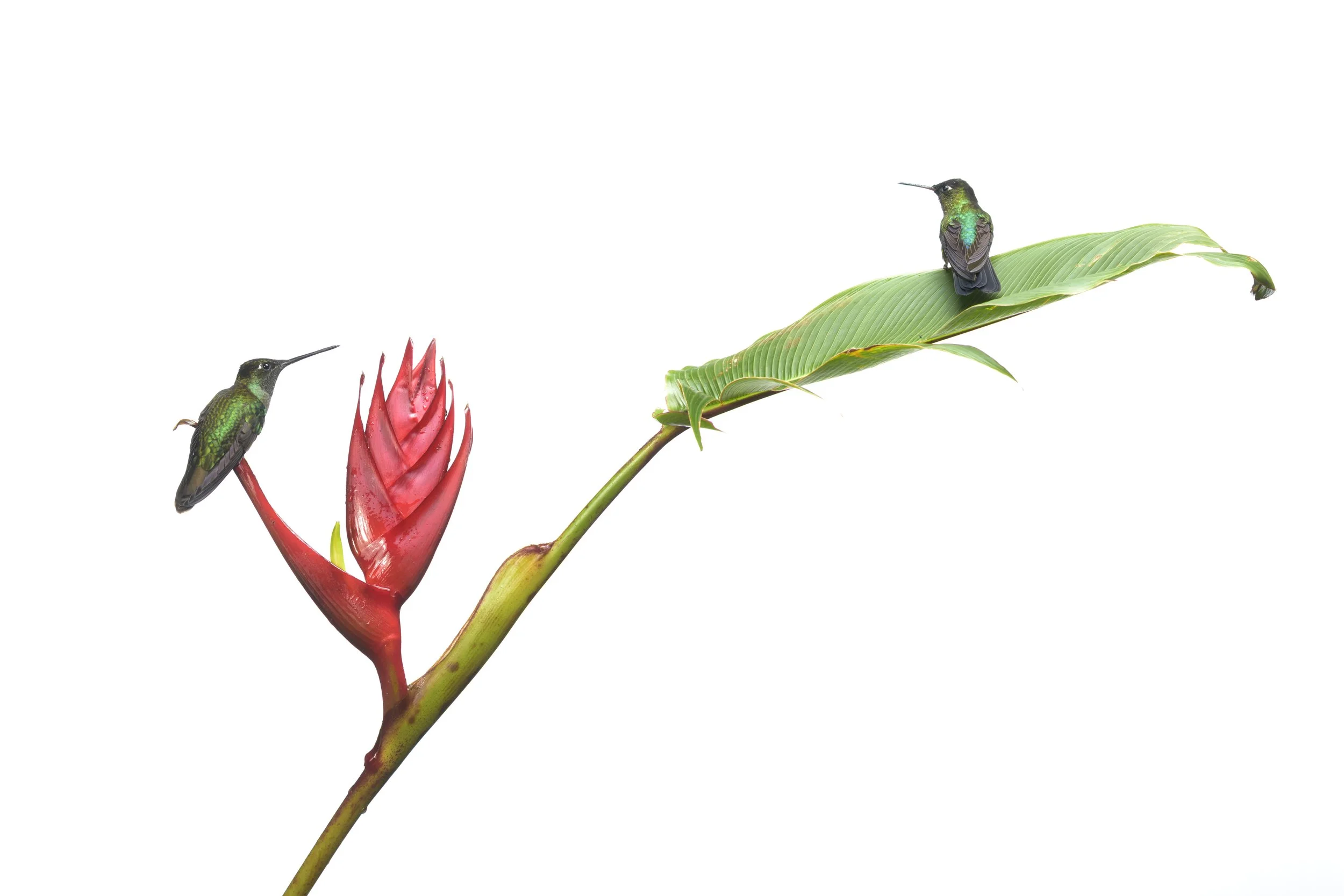
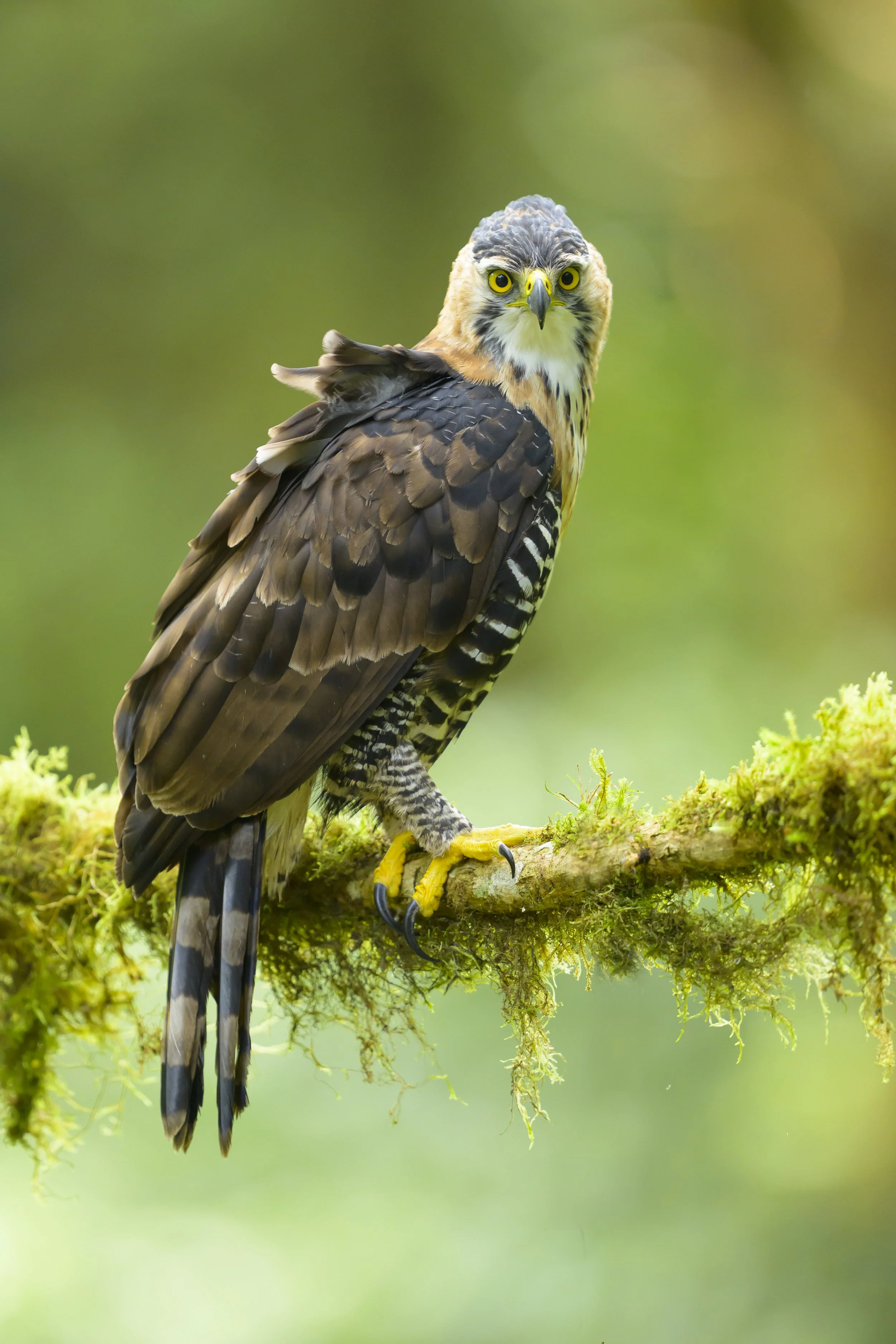
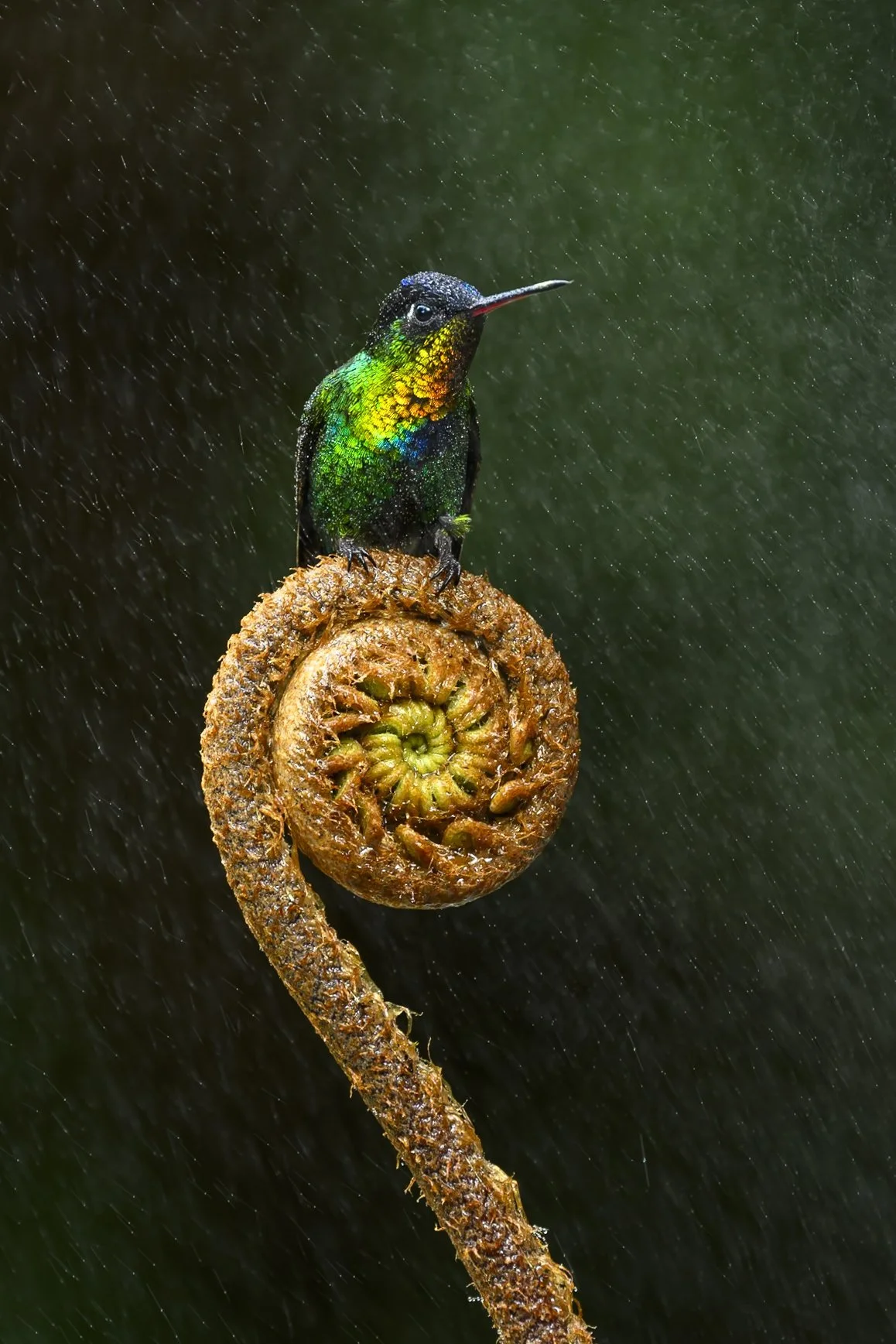
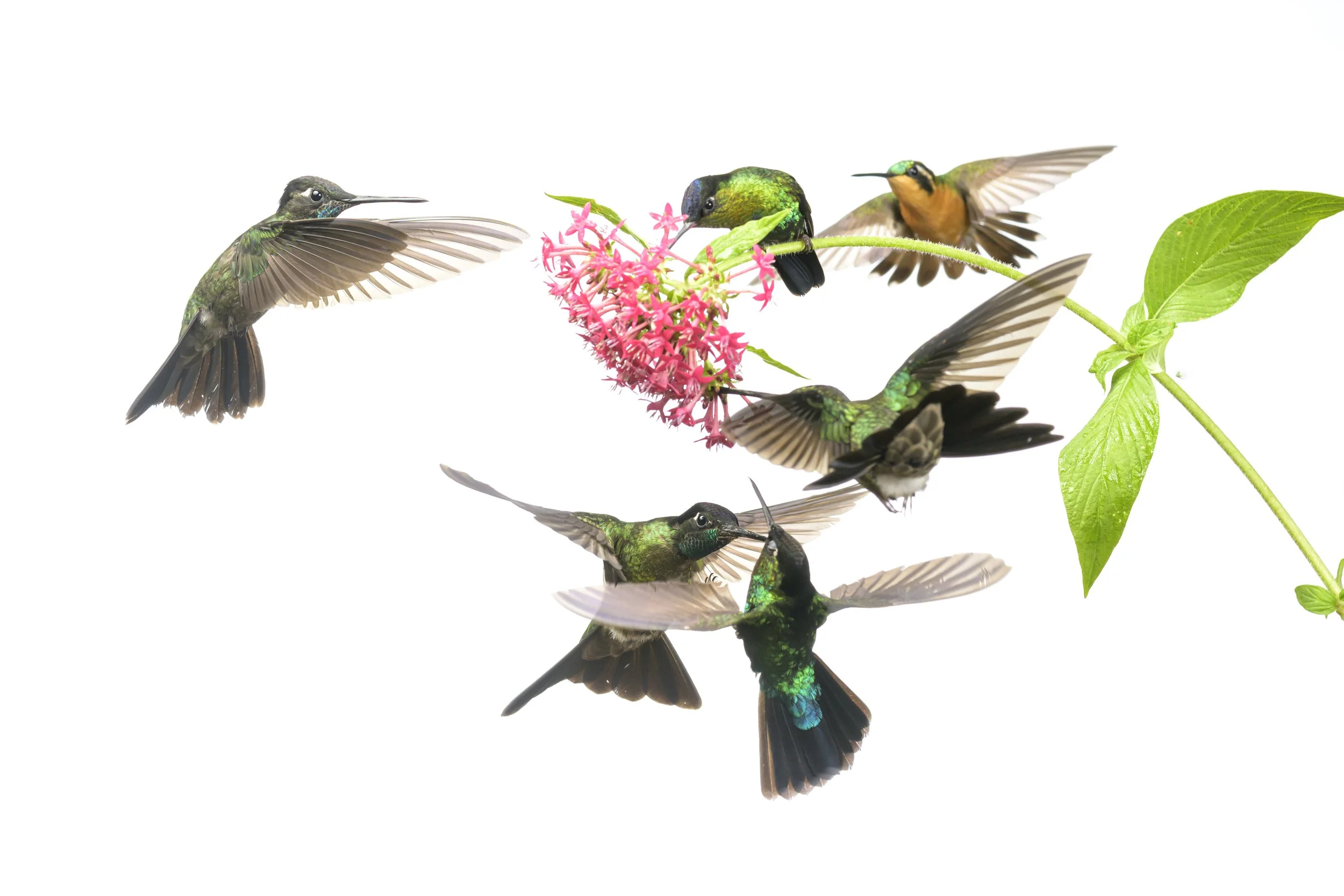
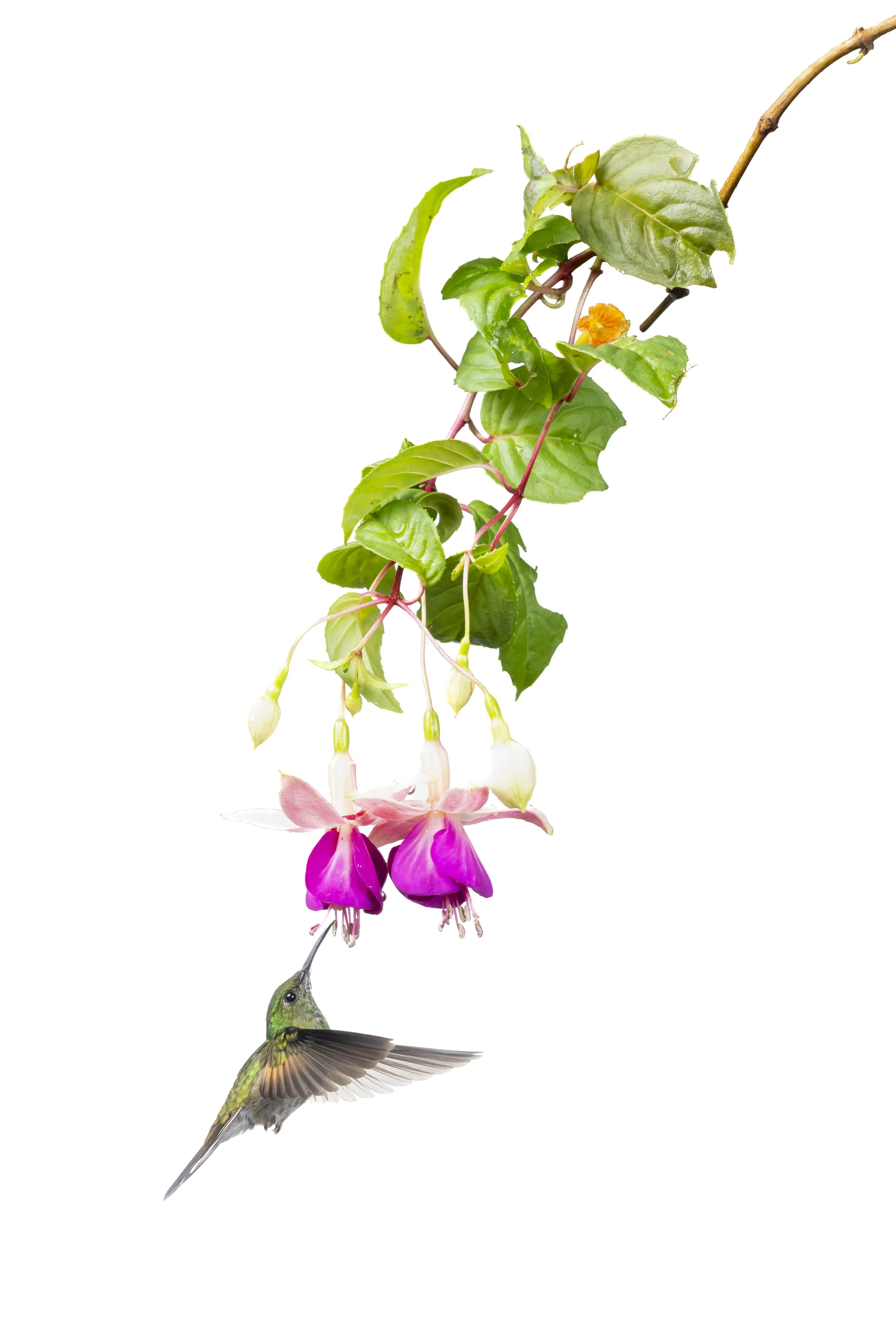
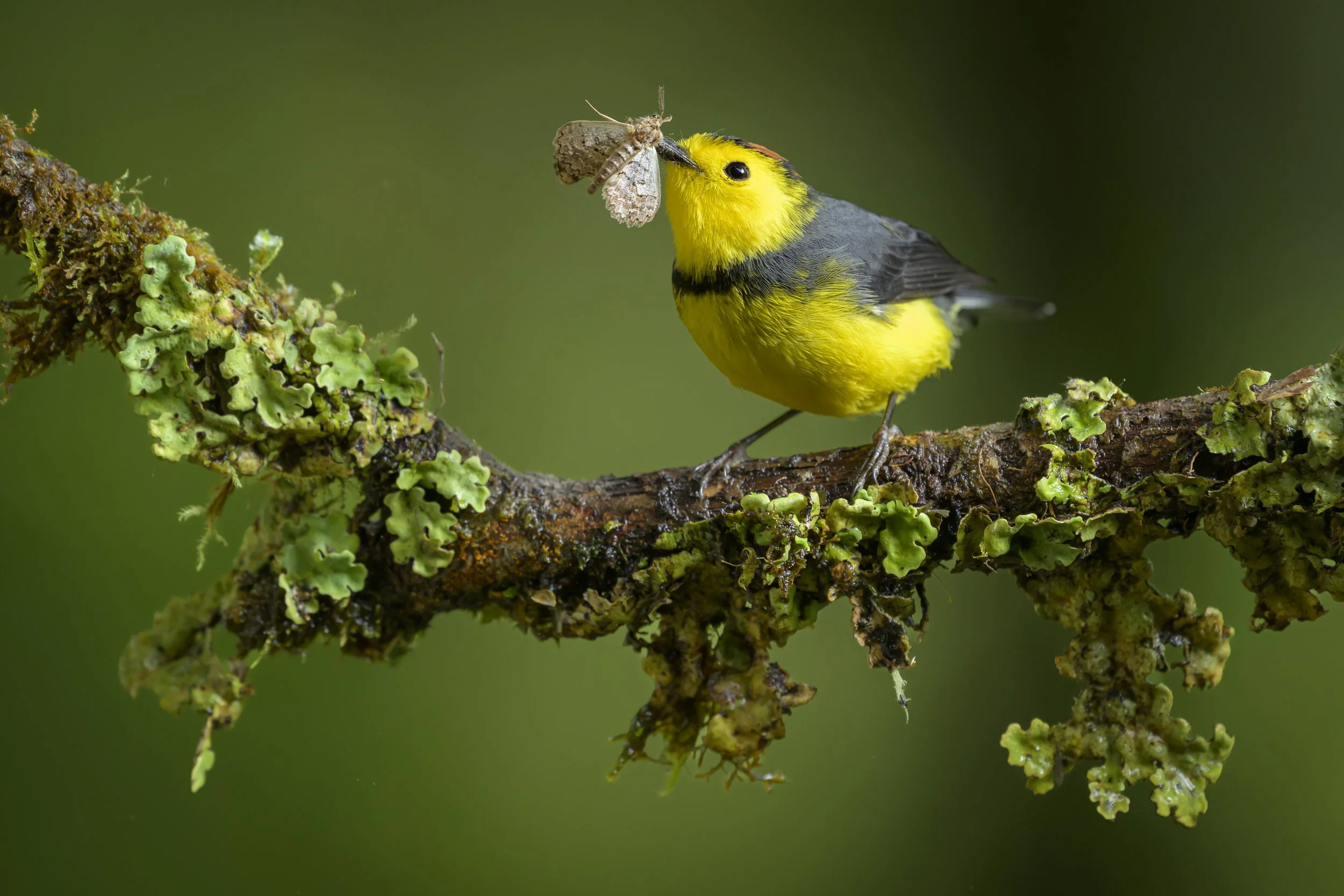
Our journey culminates at 8,000 feet in the mountains. The cloud forest is truly a world apart, with oaks and elms from temperate zones intermingling with tropical palms, while epiphytic bromeliads and orchids drip from every surface not covered in moss. We'll work from purpose-built photography blinds and multi-flash hummingbird setups to photograph species found nowhere else: fiery-throated hummingbirds, volcano hummingbirds, and the spectacular flame-throated warbler with its flame-orange throat blazing against moss-covered branches, to name just a few. This is also home to the resplendent quetzal, and while we will be there outside of their nesting season, we will search for them every day we are in the forest. The cool temperatures and perpetual fog create an otherworldly atmosphere that's as much a part of the photography as the wildlife itself.
This workshop represents a masterclass in multiple disciplines. If you have every wanted to learn how to use flash in wildlife photography, you will walk a way with a deep understanding of fill flash, off-camera flash for birds and macro, as well as multi-flash hummingbird setups. From the snail kites to the red-billed tropicbird colony, there will be multiple sessions dedicated to mastering birds in flight.
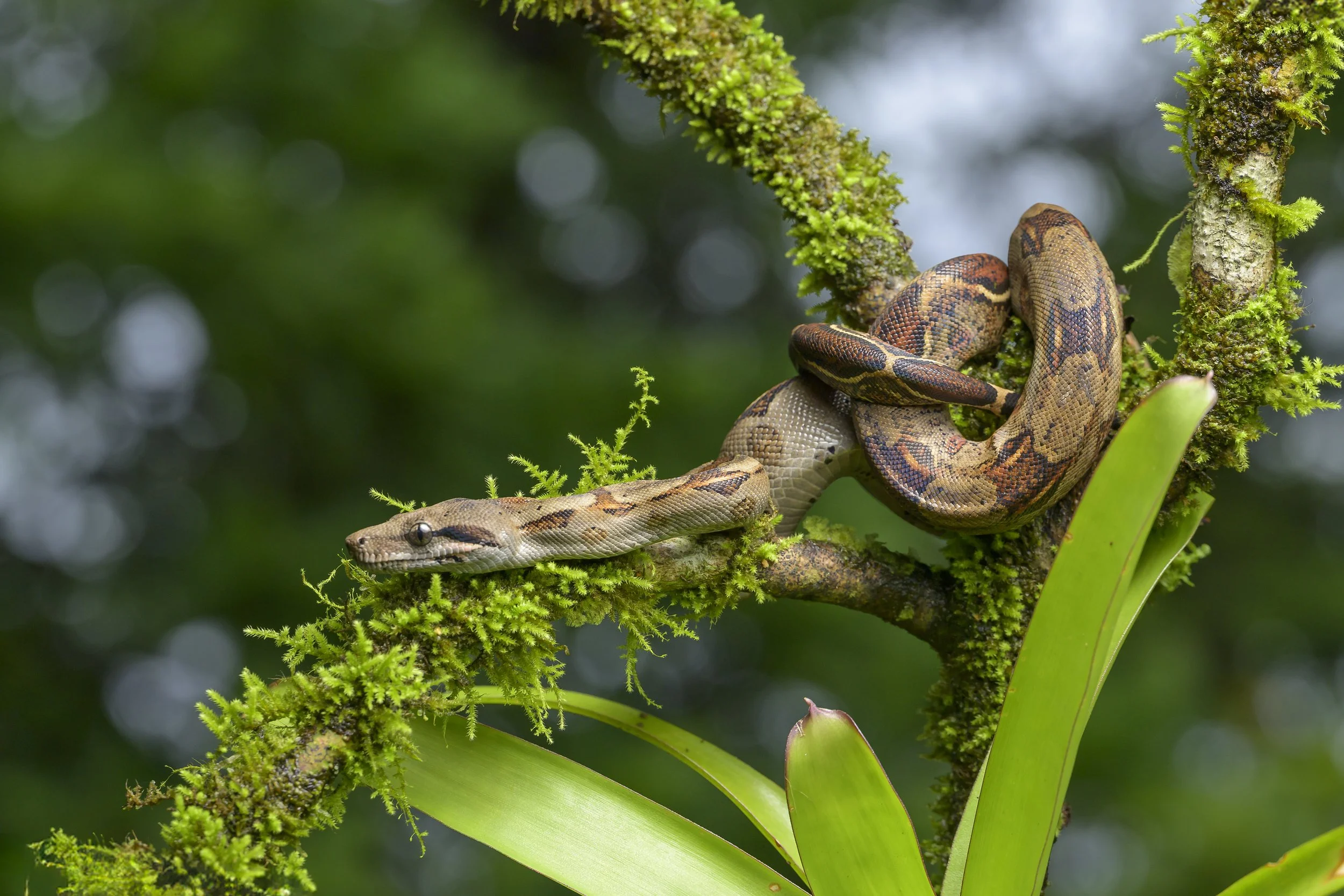
On this workshop we will operate from boats and blinds, trek across continental divides, traverse the Panama Canal, island hop in the Caribbean, hang out with venomous snakes and poison dart frogs, explore the cloud forest in Land Cruisers, and experience the full breadth of one of the most biologically diverse regions in the world. This workshop is the culmination of 12 years worth of scouting and exploring Panamá. And by the end of trip, you will return home with a portfolio of images that most photographers will never have the opportunity to capture.
Ultimate Panama:
From the Caribbean to the Cloud Forest
The Basics
Dates:
December 1-14, 2027
Price: $14,500
Deposit: $2000
Classroom Session: We will spend a full day in a classroom session discussing the important photographic concepts needed to take full advantage of this workshop. From low light photography to mastering birds in flight, this classroom session is designed to insure that each participant is fully prepared for the opportunities to come. This one day will completely change your success rate for the entire workshop.
Physical Difficulty: Easy
Skill Level: Beginner to Advance
Lodging: All lodging is included in single rooms beginning December 1 and ending the night of December 13.
Meals: Included
Local Flights: Included
National Park Fees: Included
Not Included: Travel to and from Panama, alcohol, items of a personal nature, gratuities
Airport: Tocumen International Airport (PTY)
Suggested Lodging in Panama City:
J.W. Mariott Panama City



















Experience Highlights
Photograph in one of the most biological diverse hotspots on the planet
Experience the legendary Panama Canal up close and personal while photographing birds and monkeys
The Smithsonian refers to the islands we will be traveling to are known as the Galapagos of the Caribbean due to the extraordinary number of endemic species
The densest population of sloths in the Americas.
Travel to and photograph endemic species of the Cloud Forest found nowhere else on Earth.
A deep dive into the ecology of the bridge of the Americas, island biogeography, amphibian conservation, and cloud forest. endemics
Potential wildlife subjects: over two hundred different species of birds, countless species of reptiles and amphibians, two species of sloths, and so much more

Panama Itinerary
Day 1:
Arrive in Gamboa, Panama. We will arrange for transportation at 2:00 PM from the J.W. Marriott in Panama City. If your flight arrival makes this pickup challenging, we can assist in arranging private transportation from Tocumen International Airport through our network of trusted, long-standing drivers. Once everyone is settled into their rooms at the lodge, we will gather for an orientation and a briefing on the incredible two weeks ahead. You may even spot your first subjects—toucans and monkeys—right on the lodge grounds before dinner.
Day 2:
The following morning will be spent indoors for an intensive technical "classroom" session. This is a photography workshop, not a tour, so we dedicate this full day to mastering the skill sets critical for your success, from low-light autofocus tracking to the nuances of birds-in-flight. We guarantee your workshop will be significantly more productive after refining these techniques. This single day of preparation is designed to completely change your success rate for every opportunity that follows.
Days 3-5:
This is where the field work truly begins. We will spend three full days exploring the legendary Soberanía National Park, Lake Gatun, and the Panama Canal. Our excursions will take us by boat and trail to photograph a diverse array of wildlife, including snail kites, crocodiles, caimans, and four distinct species of monkeys. With both morning and afternoon sessions, you will have ample time to apply your new technical skills in one of the most biodiverse regions on the planet.
Day 6:
We will pack up from our lodge and transfer to the airport for a local flight to David. After lunch, we cross the Continental Divide to the Caribbean Slope, where we will hop on boats to travel out to the islands of Bocas del Toro. We will use the travel time for a micro-introductory class on the Caribbean ecosystem and the specific photographic techniques we will use over the coming days.
Days 7-9:
Often called the "Galapagos of the Caribbean," this region offers a unique assortment of endemic species. Each day will be dictated by the weather as we navigate between mangrove islands and coral reefs. We will photograph the densest concentration of sloths in the world and trek to the largest red-billed tropicbird rookery in the Atlantic and Caribbean. You will also have the opportunity to work on macro techniques with colorful poison dart frogs found throughout these islands.
Day 10:
We depart the islands in the morning and transfer back to the mainland. Our journey takes us across the scenic Talamanca Mountains to the town of Volcan, perched on the side of a volcano at nearly 8,000 feet. This travel day serves as another "down day" and includes a micro-class focusing on the specialized gear required for the cloud forest, specifically multi-flash hummingbird setups and macro work for high-altitude endemics.
Day 11-13:
The final phase of our workshop focuses on the rare species of the Cloud Forest. We will work from purpose-built bird photography blinds to capture images of species few people have ever seen, let alone photographed. These three days are dedicated to high-end techniques: using multi-flash setups to freeze the wings of numerous hummingbird species and working with controlled lighting to photograph the elusive endemic eyelash viper.
Day 14:
We return to David in the morning for our return flight to Panama City. This final travel day allows for a "down day" to begin reviewing your massive portfolio of images and consolidating the lessons learned over the past two weeks. Once back in Panama City, participants will head home or on to their post-workshop destinations with a transformed approach to wildlife photography.
Selected Reading List